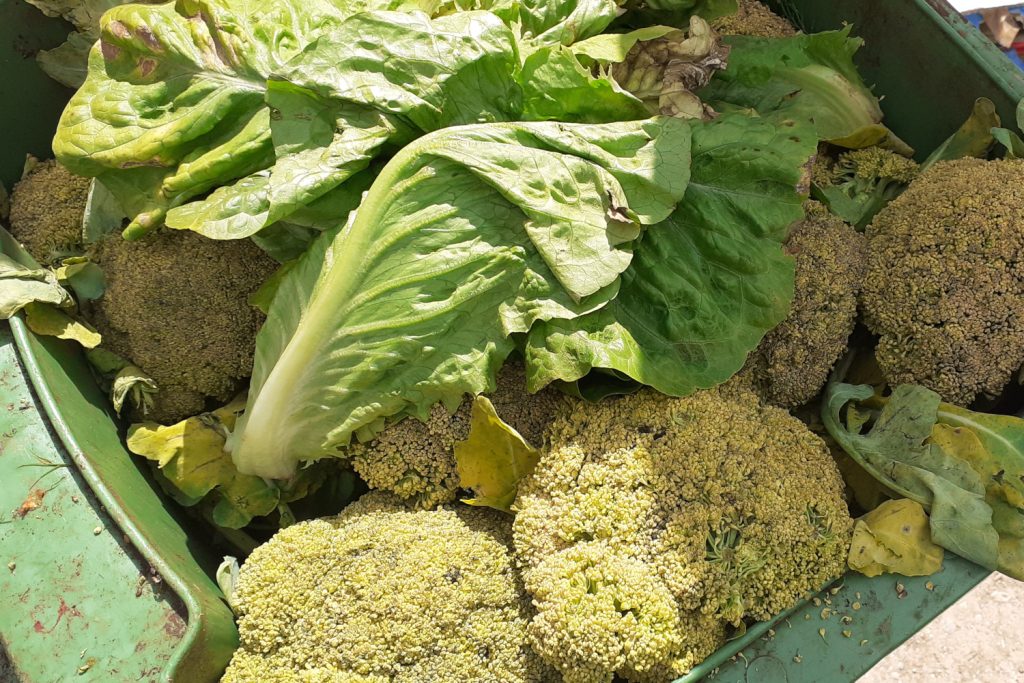


what is waste?
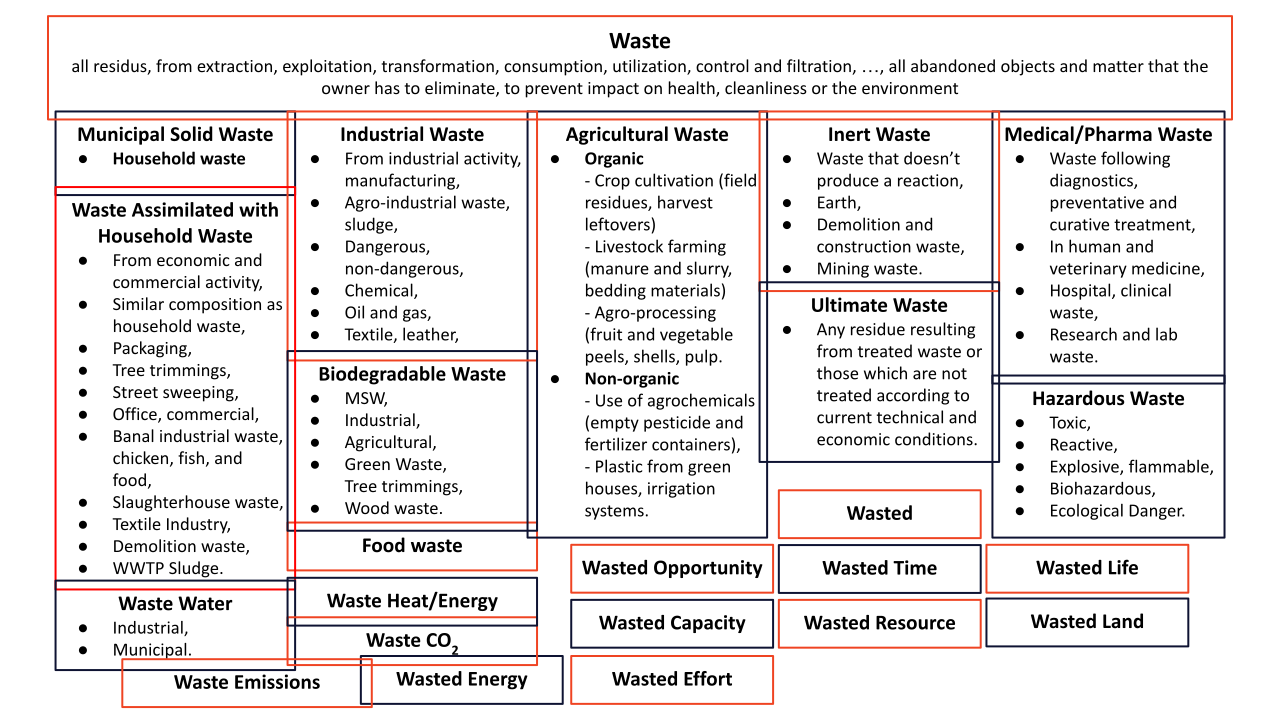

Such a useful and, at the same time, useless word salad; it categorizes waste types and what we feel might be wasteful, and it equally pollutes. Paradoxically, the very act of categorizing waste can become a wasteful undertaking, little useful.
The simple word waste carries very different meanings, depending on the viewpoint, which may be regulatory (compliance structure), environmental (ecological impact), manufacturing (efficiency), thermodynamic (focus on entropy), or social (who suffers most).
We try to reduce, reuse and recycle waste (the 3R’s) before we discard, burn, digest, or landfill it.
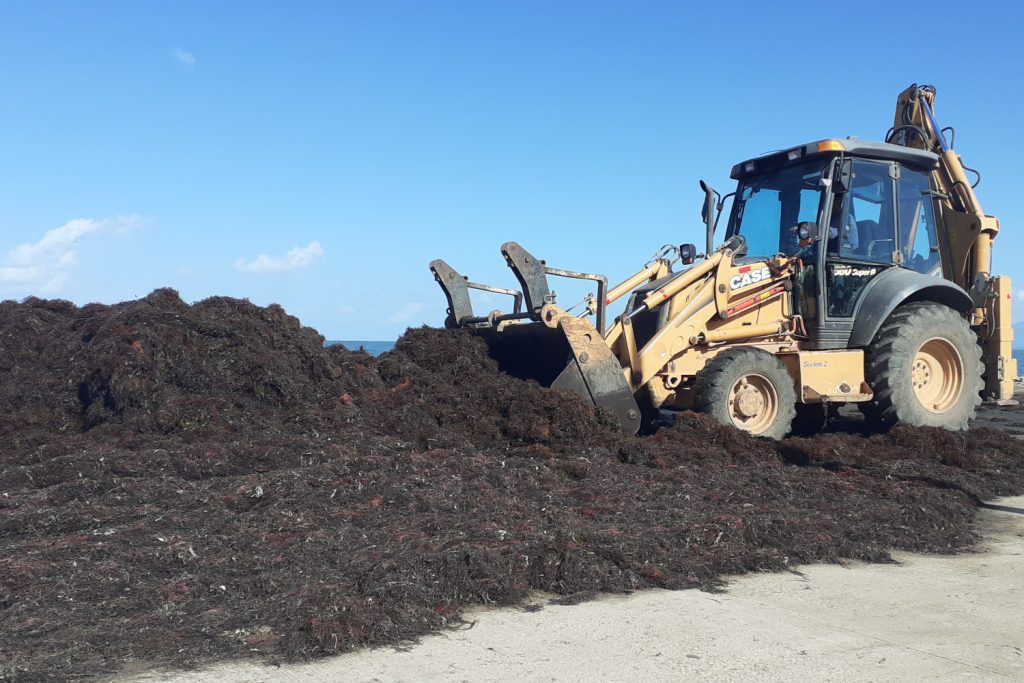
Our focus is not on waste as a whole, but more precisely on organic waste. Organic waste is the part of biomass that is fatal/perished and this may or may not represent a valuable source of energy. Whether waste is considered valuable or not depends on how it is treated: we transform waste into value from a material, energy, and chemical perspective, while respecting thermodynamic and economic limits.
@generizon waste and in particular the organic fraction that keeps us busy, we don’t just study the viewpoint; we manage the reality. Waste is our business.
what is biomass?
Biomass is the parent category. A forest is biomass. A crop of wheat is biomass. These are intentional and valuable. It includes any organic material of recent biological origin (plants, animals, microorganisms) that stores sunlight in the form of chemical energy. Biomass grows or is grown.
Biomass serves primary and secondary functions, there is competition for biomass and land and soil to grow/use it, a balance is essential. In an ideal scenario only fatal biomass (waste), shall be used for energy, but the boundaries for purpose depend on geographics and climate and many other factors.
Biomass purposes are interconnected.
- Food for human nutrition, grains, fruits, vegetables, oils.
- Animal feed, corn silage, soy, clover-grass, pasture. Animals in return for feed produce food biomass for human consumption.
- Materials for industry and construction, timber, bioplastics, textiles (cotton/hemp), bio-chemicals.
- Renewable energy, power and heat use, traditional and industrial biomass combustion (wood pellets), biogas (methane), ethanol. Biomass in contrast to wind and sun, represents an energy storage, a battery of solar energy collected over months or years. In general cellulosic feedstocks represent a vast reservoir for advanced second-generation biofuels.
- Ecosystem services – the planetary regenerative health depends on biomass, carbon sequestration, soil fertilization (return the nutrients to the soil), water filtration, biodiversity.
- Genetic/Information purpose – the genetic sequences hold information that may be the key to future medicines or draught resistant crops.
- Cultural identity, specific biomass contain history, landscape, and heritage like the argan and olive tree of the Mediterranean, the prickly pear cactus (opuntia ficus-indica), date palm, or the Atlas cedar tree, the herbs and grasses with essential oil and other purposes, the list of secret plants and biomass goes far and further for Sub-Saharan Africa.
the CHNOPS-K atoms – key macro elements make up any biomass.
Biomass is primarily composed of CHNOPS-K elements (carbon, hydrogen, nitrogen, oxygen, phosphorus, sulfur, and potassium), which form its fundamental structure. In addition to these main components, biomass also contains other macronutrients, secondary structural elements, and micronutrients present in trace amounts, all of which influence its chemical behavior and energy potential.
In the alchemy of waste-to-energy, we manage the CHNOPS-K atoms and other macro elements. Their arrangement determines whether the selected feedstock is a high-performance fuel or a corrosive burden.
- Carbon (C), Hydrogen (H): The energy couple, these atoms are the backbone of chemical energy. The specific ratio of Hydrogen to Carbon determines the heating value (LHV/HHV).
- Nitrogen (N), Phosphorus (P), Potassium (K): The fertilizer trio, vital for the food and feed cycles. Morocco is a global leader in Phosphate (P), but Moroccan soils are often thirsty for Potassium (K) and Nitrogen (N). NPK are also called the primary macro elements, N is responsible for leaf growth and the greenness, P is the energy carrier, root development, flowering, and seed production, K allows the plant to breathe and conserve water, making it drought resistant.
- Oxygen (O) is an energy diluter, oxygen adds weight without adding heat. Unlike fossil fuels, biomass is heavily oxygenated, the strategy in a waste-to-energy (WtE) context is to strip away the oxygen. Also starting with CH4 (totally reduced) is better than CO2 (totally oxydated).
- Sulfur (S) is the troublemaker, Sulfur is the most aggressive element, producing in a liquid H2S.
Other macro-nutrients, secondary builders.
Beyond CHNOPS+K, the basic macro atom list expands to include:
- Calcium (Ca): The structural cement for cell walls.
- Magnesium (Mg): The core atom of chlorophyll. Without Mg, there is no photosynthesis, no carbon capture, and no biomass.
- Silicon (Si): Provides the stiffness to straw and husks (dry biomass).
Micro-nutrients – trace elements .
These are needed in tiny amounts (parts per million, ppm), but their absence makes biomass production impossible, they are catalysts:
- Iron (Fe), Manganese (Mn), Zinc (Zn), Copper (Cu), and Boron (B).
- Molybdenum (Mo), Cobalt (Co) and Selenium (Se) are particularly critical for biogas. The microbes in the digester need these trace metals to build the enzymes that actually eat the biomass/waste and poop out methane (CH4).
@generizon we essentially manage the CHNOPS-K Cycle.
We cannot create more CHNOPS-K than started with. The number of CHNOPS-K atoms in a ton of biomass is limited. Our job is to ensure that during the transformation—from biomass to energy and material—we don’t waste the atoms into the atmosphere as pollution, but instead steer them back into the economy.
For everything we do there is a thermodynamic limit, the hard ceiling of physics. It is the point where no matter how clever our technology is, we cannot extract more energy or achieve more order without paying a price (in terms of more material and external energy).
generizon’s sweet spot is where the thermodynamic limit (what physics allows) meets the economic limit (what the Moroccan, African or European market is willing to pay at a time).
@generizon, this limit defines what is technically and economically possible versus what is a wasted effort.
dry or wet biomass.
Dry biomass has low moisture content and includes woody residues, agricultural and forest by-products (stalks, straw, husks), and some dedicated energy crops. It is commonly used in combustion, gasification, or pyrolysis to produce biochar, syngas, heat, electricity, or biofuels, with its low moisture improving energy efficiency.
Wet biomass, on the other hand, contains high water content (the atoms are diluted). Wet biomass includes MSW, food waste, sewage sludge, animal slurry, and other organic residues. It is primarily treated through anaerobic digestion (AD), where microbes convert organic matter into biogas (mainly methane and carbon dioxide), enabling energy recovery from high-moisture organic waste streams.
Living biomass usually has a high moisture content and needs drying for every thermal conversion process.
simple CHNOPS transformation pathways.
CHNOPS-K and Moroccan biomass.
This CHNOPS atomic perspective explains why different Moroccan plants require different management realities:
- Olive Margines (high C, H, O): Excellent for energy, but the organic acids (carbon chains) are so strong they burn the soil if not treated.
- Prickly Pear (high water/Oxygen): The high water content means the atoms are diluted, making anaerobic digestion (AD) the only thermodynamic way to recover the C and H.
- Argan Shells (high C, low H): These are dense carbon batteries. They are better for thermal pathways (combustion) because the CHNOPS structure is locked in a tight, dry lattice.
basic formula.
A very basic chemical representation of biomass is CH2O, a simple carbohydrate, a more precise formula might be CH1.44O0.66N0.04, and one could add all other macro and micro elements.
Biomass incineration is carbon neutral.
Every carbon atom is oxidized, this is carbon neutral because the same carbon atom was captured by the plant from the air via photosynthesis just months or years ago.
This is in a way a wasted opportunity:
- CH2O + O2 → CO2 + H2O + heat
- The Hydrogen atoms pair with oxygen to become water (H2O), released as steam.
- Emissions: if the temperature isn’t right we get CO and sooth.
- Low efficiency when biomass is wet: much of the heat is wasted evaporating the water.
- The simple formula ignores the N, P, S, and K.
- The nutrients are lost, end up in the atmosphere (N) or in the ash (P, K).
- N becomes NOx at high temperatures (smog risk).
- S becomes SO2 (acid rain risk).
- In the incinerator, the CHNOPS-K cycle is broken. C, H, O, N, S go up the chimney gas. P, K, Ca, Mg, are locked in the ash as a solid mineral (with much less bio-availability, especially of P).
Anaerobic digestion – AD.
AD stands for the microbiological degradation of organic matter in the absence of oxygen, a submerged fermentation. Input is liquid, moist, semi-liquid or dry waste or biomass, liquid sludge or thickened WWTP sludge, slurry and manure, MSW in SSOW or OFMSW form.
The biomass carbohydrates (CH2O) are the food for the bacteria. In a four-stage process (hydrolysis, acidogenesis, acetogenesis, and methanogenesis), the microbes rearrange the atoms:
- CH2O + N, P, K, S + H2O → CH4 + CO2 + NH4+ + H2S + PO43- + Digestate (K+)
- C, H, S will be in the gas phase as CH4 (methane) and CO2.
- N, P, K, S will be in the solid and liquid phase (as a valuable fertilizer for agriculture, with a high bio-availability, ready for plant uptake).
- If the pH in the digester rises too high, this turns into NH3 (Ammonia gas), which can be toxic to the AD bacteria. Keeping it as NH4+ in the liquid is the goal for a high-value fertilizer.
- H2S is a problem, more H2S production directly equals less CH4 production, which means losing fuel to create a poison. There is competition between methanogen and sulfate-reducing bacteria where thermodynamically sulfate-reducers are more efficient than the methanogens. For high-sulfur waste/biomass feedstock adding iron (Fe) to the digester is a common solution that binds the sulfur to the iron to form iron sulfide (FeS).
@generizon, we keep the C and H (as power) and the NPKS (as fertilizer).
Composting.
Under composting we understand the microbiological degradation with air, aerobic oxidation. Biomass inputs are woody green waste, tree cuts, twigs, branches, hay, sawdust, material with structure, lignocellulose matter and solid digestate.
- CH2O + N, P, K, S + O2 → CO2 + H2O + NPKS-rich Humus + Heat
- In composting the microbes burn the C-H bonds which creates the high heat (up to 70°C) seen in compost piles.
- All thermal energy vents to the sky. What is effective for killing pathogens is in thermodynamical terms an energy leak.
- S finds oxygen and becomes a sulfate, an odorless solid/liquid mineral (SO42-).
- The NPK minerals become humus. P and K are very stable, N is at risk when C:N ratio is off, to become ammonia gas (NH3), a loss of fertilizer.
- Composting reduces volume and creates soil conditioner.
- Composting wastes the fuel potential of the biomass.
In composting, we lose the C and the H and only keep the NPKS.
what is organic waste?
Defining organic waste isn’t just about biology; it’s about acknowledging a physical and legal inevitability. Organic waste is the shadow of human activity.
All organic waste is biomass, but not all biomass is waste.
Organic Waste is the portion of that biomass that has no primary market value and is produced as a side effect. It is called fatal because it is an unavoidable byproduct of a process.
Organic waste in a 8 billion world society is in a way inevitable: As long as we grow crops, process food, and maintain cities, these residues (peels, manure, sludge) will continue to be generated. We cannot stop producing waste without stopping the primary activity of civilization (eating, farming, living).
The inevitable residue map of organic waste in Morocco.
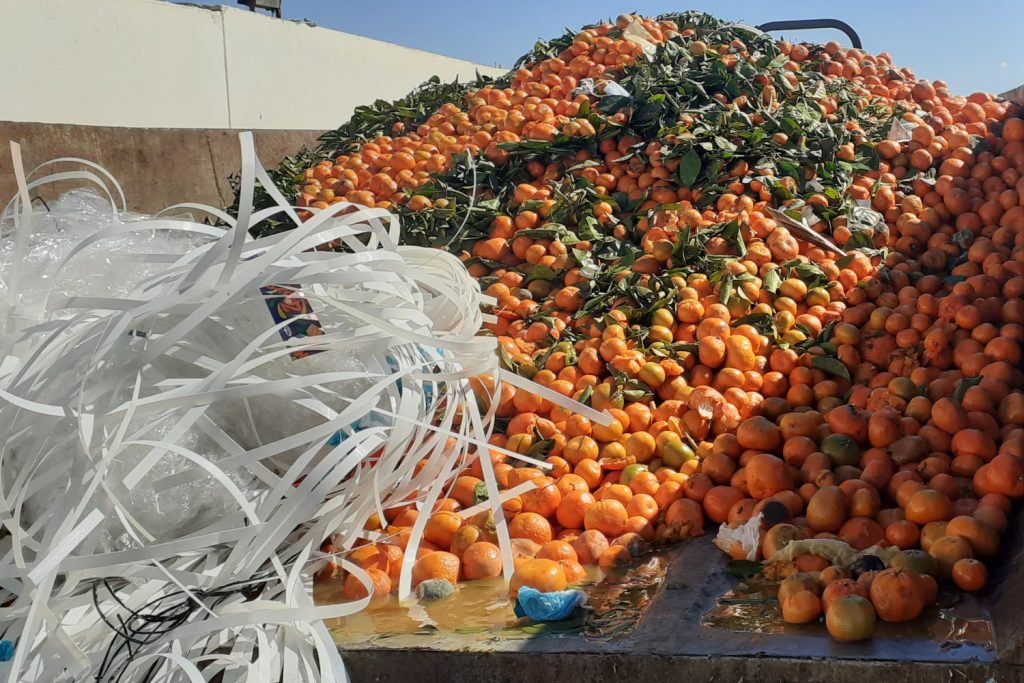
- Tomato processing: Producing canned sauce and concentrates creates tons of peels.
- Olive oil mills: Pressing olives produces toxic wastewater (margines) and solid pomace (grignons).
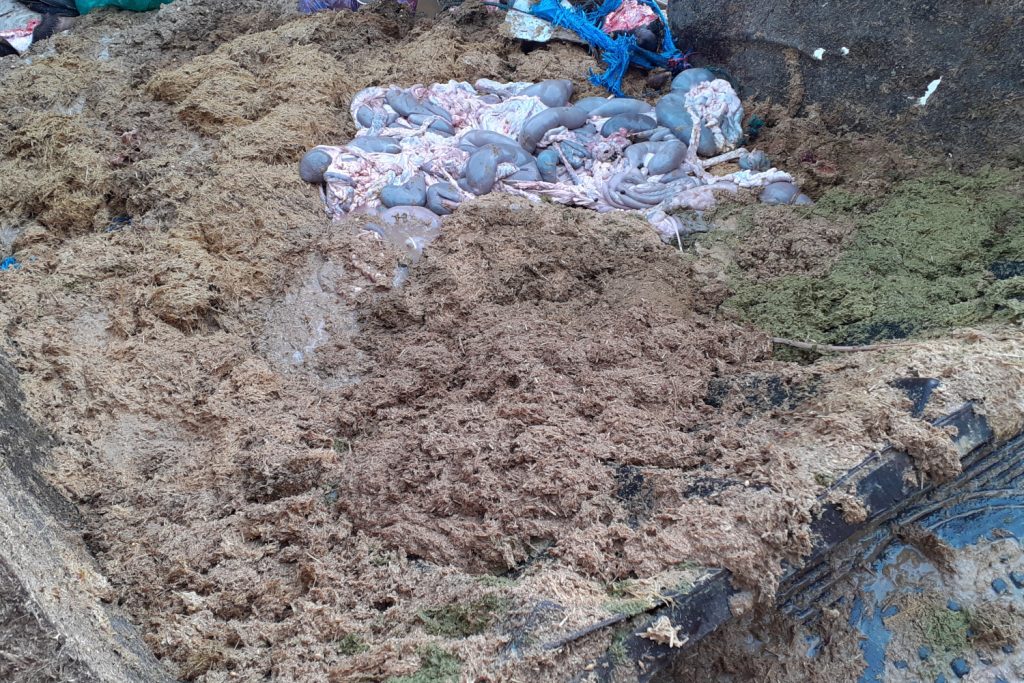
- The dairy cycle: Producing millions of yogurts and hectoliters of milk daily generates slurry/manure at the farm, and lactose serum (whey) plus biological sludge at the factory.
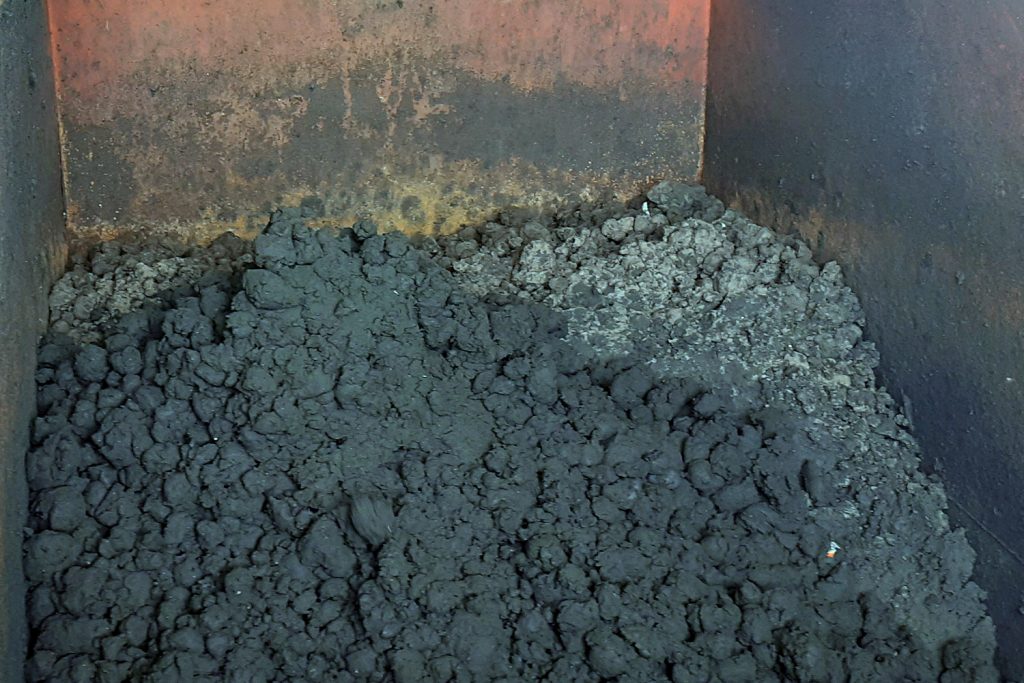
- Urban sanitation: Cities inevitably generate sewage sludge as the concentrated byproduct of toilet wastewater treatment.
- Restaurants, hotels, kitchens, slaughterhouses, and markets generate Municipal Solid Waste (MSW), a complex mix where the organic fraction is the true driver of the environmental crisis. When these reactive fatal residues are tossed into common waste collection bins, diesel trucks must haul the heavy, water-logged mass to landfills—an energy-intensive process that merely buries a problem. Once interred, this biomass becomes a liability while it perishes and degrades under anaerobic conditions: it decomposes into toxic leachate that threatens groundwater and vents methane (CH4), a powerful greenhouse gas directly into the atmosphere, causing catastrophic climate damage.
@generizon, we consider the biodegradable/organic fraction of Municipal Solid Waste (OFMSW), which inherently constitutes fatal biomass, a valuable resource.