

Within generizon’s integrated approach, plug-flow anaerobic digestion (AD) is considered as a key technology for the treatment and valorization of Municipal Solid Waste (MSW), more specifically the Organic Fraction of Municipal Solid Waste (OFMSW). This solution is well suited to the characteristics of Moroccan waste, which typically contains a relatively high moisture content and a large proportion of Organic Matter (OM).
While the SSOW-AD model targets clean organic matter aggregated at the source from key industrial or commercial partners, by contrast, the OFMSW-AD project focuses on the organic fraction recovered from mixed municipal solid waste (with impurities accepted). By treating waste upon its arrival at the landfill, this solution addresses the logistical reality of mixed waste streams while maintaining a strong commitment to sustainable energy production.
In this value chain, the MSW that arrives at the landfill first passes through a sorting facility, such as a Material Recovery Facility (MRF) or a Mechanical Biological Treatment (MBT) plant. These facilities are a central component of Morocco’s national waste management strategy under the Programme National des Déchets Ménagers (Programme National des Déchets Ménagers – PNDM) and the National Strategy for Waste Reduction and Recovery (Stratégie Nationale de Réduction et de Valorisation des Déchets – SNRVD), which both aim to strengthen the “tri–recyclage–valorisation” chain and increase recycling rates, with a target of approximately 20% recycling of total waste. More so Plug-Flow AD completes an existing MRF by adding the biological (AD) component and makes them real MBTs.
Material Recovery Facility (MRF).
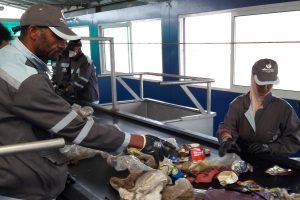
After the reception of MSW in an unloading hall—on a concrete platform or in a pit, the separation process typically includes both mechanical and manual sorting to remove unwanted items such as flat objects (newspapers, magazines, laminated cardboard, etc.) and hollow items (plastic containers and bottles, drink cartons, etc.).
Several screening steps separate the fine organic fraction (Organic Fraction of Municipal Solid Waste – OFMSW), which then is usually forwarded to the biological treatment step (composting or Plug-Flow AD), so far this fraction goes to landfilling in Morocco.
The remaining fractions undergo mechanical sorting using equipment such as magnetic separators, optical sorters, or eddy current separators to extract recyclable materials (plastics, metals, paper). The non-recyclable combustible fraction with high calorific value, such as mixed plastics or textiles, is directed toward the production of RDF.
RDF is a highly sought alternative fuel for mainly the cement kilns.
The refuse fraction from the rotating screening sieve (trommel) represents the organic fraction or OFMSW (with impurities) which in generizon’s integrated approach is directed to the plug-flow anaerobic digestion unit, where it is converted into a lot of biogas and energy in a very efficient way. This process enables the recovery of a significantly higher amount of methane compared to what could typically be captured through conventional landfill gas extraction systems.
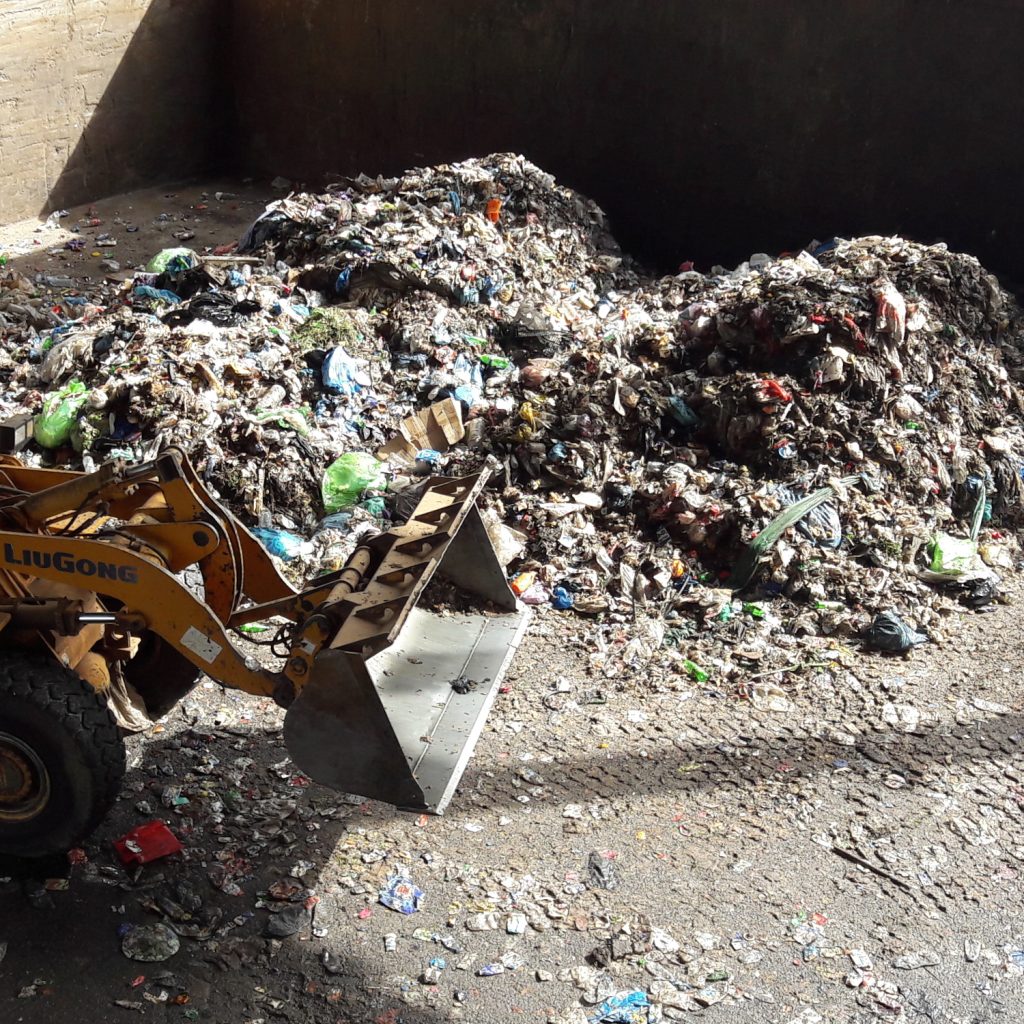
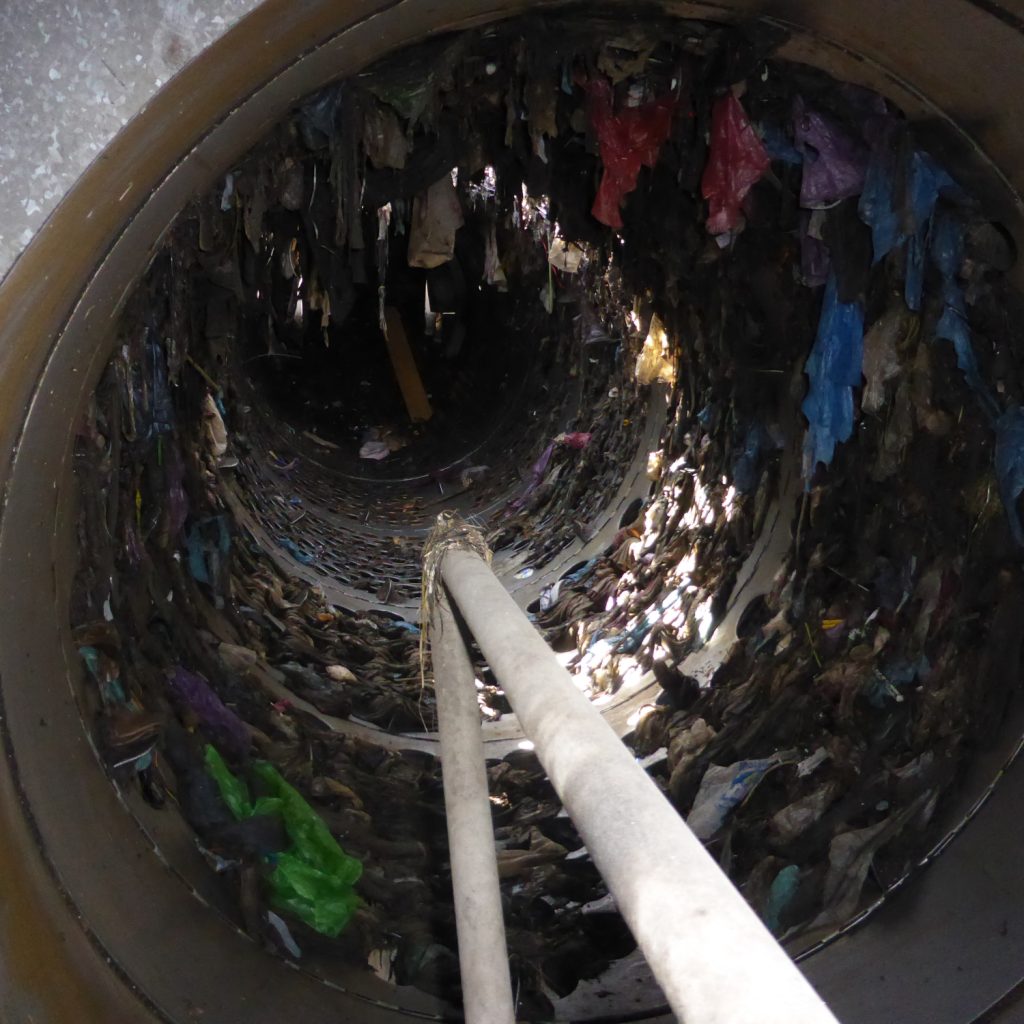
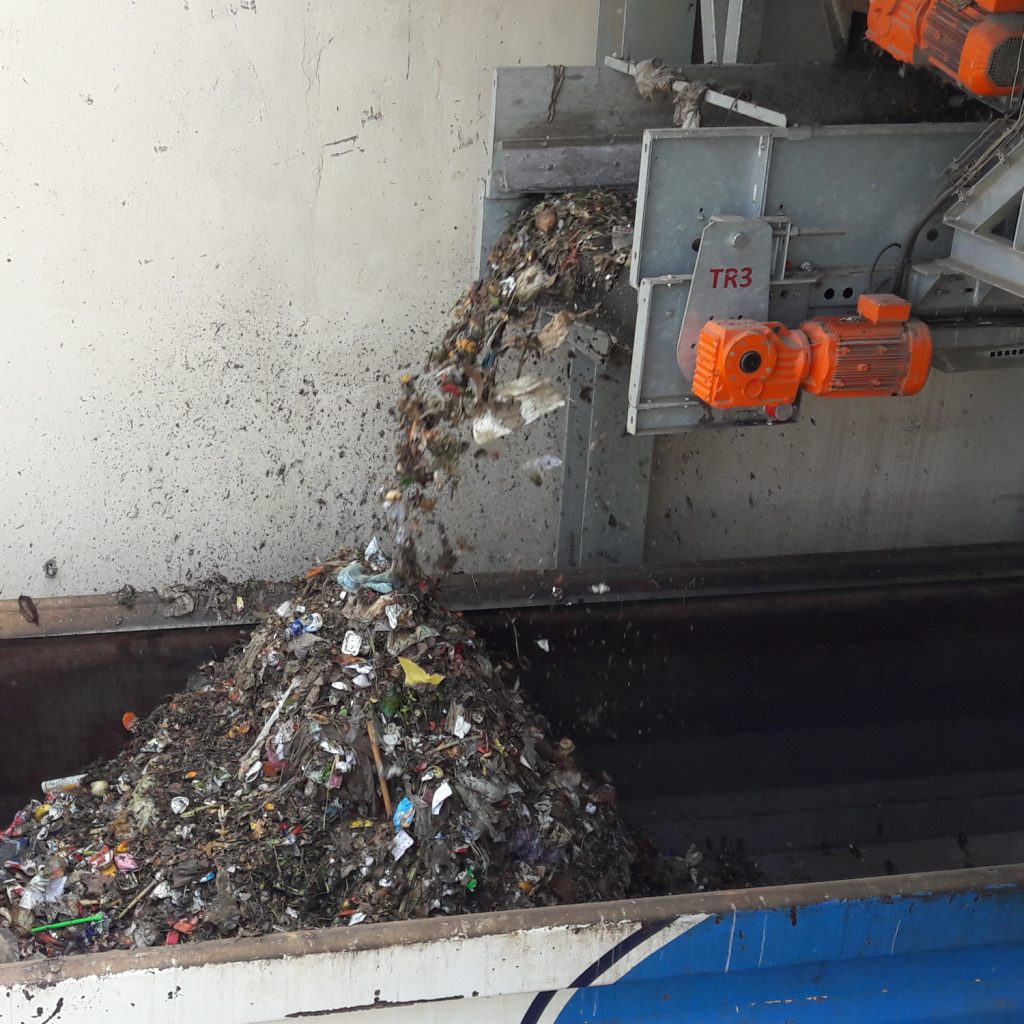
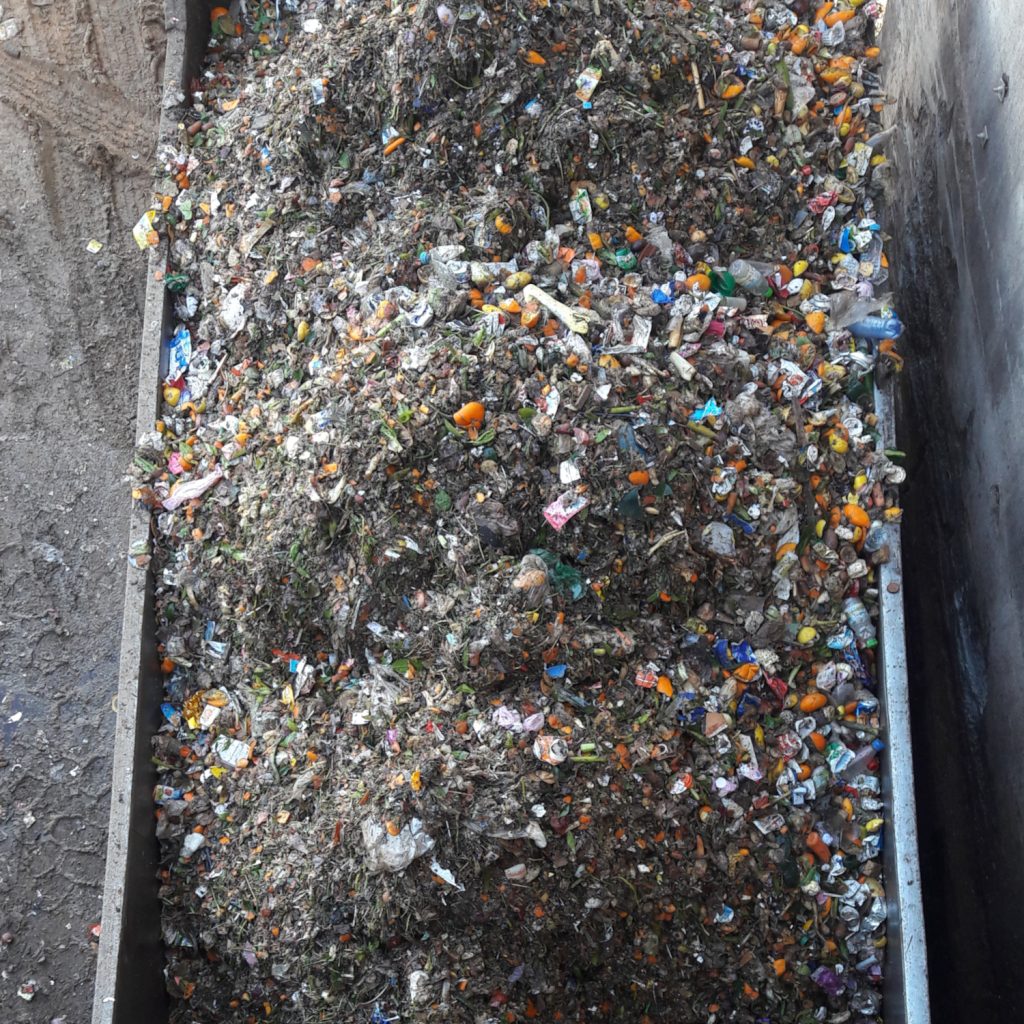
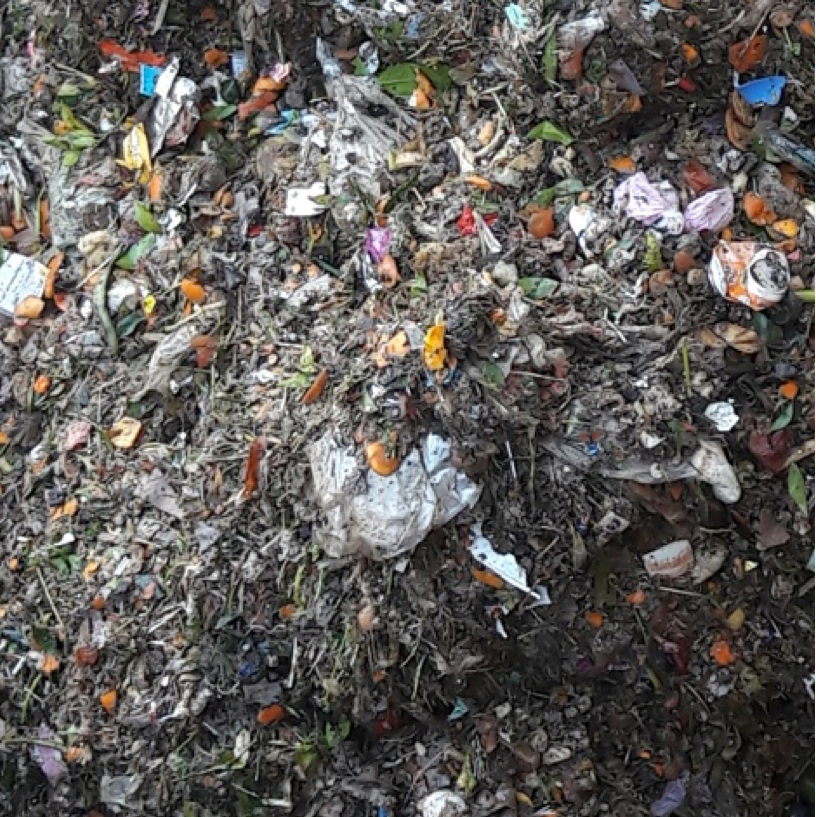
Following digestion, the raw digestate (with common plastic and paper contamination, and more solid than digestate from CSTR-AD) undergoes solar drying, producing a second, slightly lower-calorific RDF representing another important alternative combustible for the cement industry.
This approach can support this energy-intensive industry in reducing energy-related CO₂ emissions by providing alternative fuels to generate heat for cement kilns. In addition, the ash resulting from combustion is recycled as clinker, one of the main components of cement production, thereby contributing to the reduction of IPPU CO₂ emissions associated with clinker manufacturing.
plug-flow reactor (PFR) anaerobic digestion.
The organic fraction of post-screening/post-trommel household waste is always well contaminated, containing plastic and paper and foreign materials like glass, iron, cans, etc. This OFMSW shall be further screened before the plug-flow reactor (PFR) to greatly reduce impurities.
High Solid Anaerobic Digestion (HSAD).
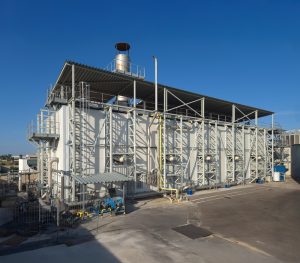
The plug-flow reactor(PFR) is a type of High Solid Anaerobic Digestion reactor (HSAD), a dry/semi-dry anaerobic digestion technology. It is certainly less common than wet digestion systems, but unjustifyably so as it offers more effective and complete C-conversion through the quasi separation of the bacterial digestion phases In this process, organic waste is continuously fed at the inlet of the digester, and the biomass advances slowly through the reactor in a piston-like (plug-flow) movement, driven by the regular addition of fresh material.
The digester is typically rectangular and horizontal in design and is equipped with horizontal mixers installed at regular intervals along its length. These mixers perform two key functions: they gently mix the substrate and push it progressively toward the outlet throughout the hydraulic retention time. Due to its operating mode and geometry, the plug-flow reactor (PFR) offers several advantages. The four anaerobic digestion phases (hydrolysis, acidogenesis, acetogenesis, and methanogenesis) occur sequentially along the reactor, with limited internal recirculation to enhance inoculation efficiency. The system minimizes back-mixing between fresh and older substrates, ensuring that each degradation phase benefits from adequate retention time. This results in more complete organic matter breakdown, improved process stability, and higher C-conversion efficiency into biogas.
The plug-flow anaerobic digestion technology is a most relevant option for treating the OFMSW, as found in Morocco post trommel MRF. Plug-flow-AD biological treatment is regarded as incremental to the integrated approach as proposed and offered by generizon.
digestate solar drying.
Thermal drying is an intermediate treatment process designed for materials with high moisture content. By evaporating the water contained in the material, the process significantly reduces both volume and weight, facilitating handling, transport, and subsequent valorization or recovery.
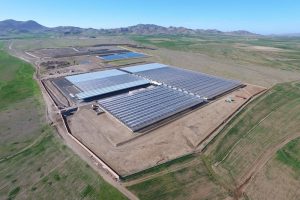
This technology is widely applied to sewage sludge from wastewater treatment plants (WWTPs), including in Morocco. Typically, sludge enters the drying stage with a dry matter content of approximately 20 to 25%. This is comparable to the dry matter content of digestate generated from the anaerobic digestion of the organic fraction of municipal solid waste (OFMSW), making thermal drying equally relevant for digestate management.
While several drying technologies are available (mechanical, belt, drum, and other thermal systems), Morocco’s dry climate and high solar irradiation make solar drying particularly attractive. Solar drying offers a cost-effective and energy-efficient solution, especially when integrated into waste-to-energy or anaerobic digestion facilities.
While high-solids anaerobic digestion and solar drying efficiently process organic MSW, the resulting digestate often contains residual plastics and inert waste. This contamination makes the output unsuitable for agriculture; however, it remains a valuable resource.
Instead of being landfilled, this material can be valorized as a low-grade Refuse-Derived Fuel (RDF). In industries like cement manufacturing, it serves as an effective substitute for fossil fuels, turning a contaminated byproduct into a functional energy source.
refused-derived fuels – RDF.
RDF are fuels derived from solid waste and mainly consist of plastics, paper, textiles, and fine Organic Matter (OM). Because of its high calorific value, RDF is generally directed toward energy recovery applications, particularly co-incineration or other thermal treatment processes. Cement kilns are a prime offtake for RDF for co-incineration along with other fuels.
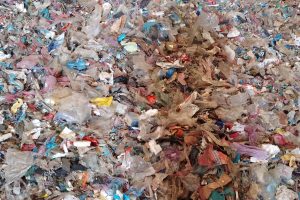
In generizon’s integrated approach, RDF is produced twice:
- Once, as part of the MRF, a high calorific value RDF (LCV of 16-19 MJ/kg of prepared RDF), mainly fossil carbon.
- Once after drying of the OFMSW-AD digestate, a lower calorific value RDF (LCV of 12-14 MJ/kg of prepared RDF), mainly biogenic carbon.
generizon has initiated researches on this second alternative form of RDF: RDF produced from the digestate of a plug-flow reactor treating OFMSW.
With an initial dry matter (DM) of 20–25%, the digestate requires significant moisture reduction. Utilizing solar thermal drying efficiently boosts the material’s Lower Heating Value (LHV), producing an adequate energy output with said calorific characteristics.
Through this approach, the output of OFMSW digestion — even when contaminated — is transformed into a valuable energy carrier. The dried digestate is similar to dried WWTP sludge that is already used as RDF in the cement industry, contributing to fuel substitution and decarbonization efforts. Dried digestate represents a mostly biogenic carbon.
This model significantly minimizes landfill reliance, aligning perfectly with circular economy and renewable energy targets. By integrating these processes, generizon directly addresses Morocco’s waste management challenges, drastically reducing the need for additional landfill capacity.
recyclables.
In the Material Recovery Facility (MRF), the Organic Fraction of Municipal Solid Waste (OFMSW) is first separated through the trommel and additional devices, preparing it as high-quality feedstock for the plug-flow reactor (PFR) reactor. Other systems are used at this stage, such as magnetic separator for ferrous metals, eddy current separators for non-ferrous metals, air classifiers for light materials, optical sorters for plastics, and vibrating screens for fine particles, depending on the facility’s adapted design to treat the specific waste composition.
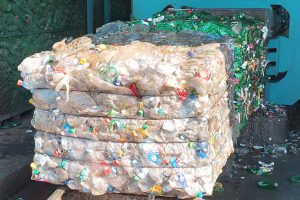
The remaining waste then proceeds to manual sorting, where a wide range of recyclable materials is recovered, including plastics such as PET and HDPE bottles and containers, Low Density Polyethylene (LDPE) packaging films, paper and cardboard; metals such as aluminum and steel cans; glass; and electronic waste (e-waste) including small appliances and circuit boards.
The recovered materials is being compacted are sent to various recycling industries, creating valuable secondary streams:
- Paper and cardboard are sent to paper mills for recycled products.
- Plastics (PET, HDPE) can be processed into new packaging or textiles.
- Metals are melted and reused in manufacturing.
- Glass can be remelted for new bottles, construction aggregates, or fiberglass.
- E-waste is sent to specialized facilities for metal and component recovery.
After the sorting and recovery of recyclables, whatever is left over, the remaining waste—mainly non-recyclable plastics, textiles, and low-quality organics—is converted into Refuse-Derived Fuel (RDF).