

Municipal Solid Waste Management (MSWM).
In Morocco, MSW is classified into household waste and household-similar or assimilated waste, generated by commercial, institutional, and service activities. Its management falls under the responsibility of the municipality.
Household waste – déchets ménagers – MSW.
Urban areas in Morocco are facing a rapid increase in municipal solid waste (MSW) generation, driven by population growth, urbanization, and changing consumption patterns. Average per-capita waste generation in cities is already significant and is expected to increase by around 3% per year between 2025 and 2030. National urban household waste generation rose from approximately 5.94 million tonnes in 2015 and is projected to reach 9.42 million tonnes by 2030. In 2025 alone, urban areas are estimated to generate about 8.1 million tonnes of MSW per year, equivalent to 22,300 tonnes per day, with an average generation rate of around 0.83–0.9 kg per inhabitant per day. However, the quantity of waste generated is not the same as the quantity ultimately received at landfills, as a significant share is recovered upstream by informal waste pickers, particularly recyclable materials.
In contrast, rural areas generate much smaller quantities of waste, as organic matter is largely reused locally, either as animal feed or compost, resulting in lower collection needs and reduced pressure on disposal infrastructure.
Non-household waste (assimilated waste – déchets ménagers assimilés – DMA).
What Morocco terms DMA is generated mainly in public and commercial spaces, in retail, within the municipality. This includes street sweeping, landscape and tree trimmings, and general waste from parks, beaches, and recreational areas. It may also include sludge from municipal wastewater treatment plants, banal industrial waste streams, from chicken and fish mongers, and the food industry and slaughterhouses, in general, but also office, textile, packaging, and demolition waste.
Waste collection in Morocco.
Urban waste collection in Morocco is highly developed. Since 2008 exists the National Household Waste Program (Program National des Déchets Ménagers – PNDM), which managed to achieve a substantial increase in collection rates in cities from 45% (2007, the beginning of the program) to an official average rate of 96% (2021), reflecting a major progress in keeping urban areas clean and managing household waste efficiently.
Municipal solid waste collection is organized by zones or neighborhoods, with different service providers operating across the same city. Depending on the municipality, collection services are either managed directly by local authorities or delegated to private operators under management contracts. In addition to household waste, specialized private collection services serve industrial sites, commercial activities, and large retail outlets. Collection is generally performed on a daily basis, with higher frequencies in dense or high-activity areas to respond to local demand.
While household-level source separation of recyclables and organic waste has been tried in numerous pilot projects, it is not practised at all today On the other side more and more businesses and commercial actors already sort their recyclable materials. Paper, cardboard, plastics, and wood are commonly sold to private recycling companies, enabling material recovery alongside the municipal collection system and supporting the transition toward a more circular waste economy.
Informal waste pickers.
In major Moroccan cities, informal garbage pickers (recyclers) play a crucial role in diverting waste from landfills and supporting recycling activities. Their number is estimated at around 36,000 as of 2020, and continues to grow. The informal sector is particularly dominant in plastics, representing up to 90% of the plastic recycling value chain. Ragpickers mainly recover high-value recyclable materials such as plastics, metals, glass, paper, and cardboard, significantly reducing the volume of waste requiring final disposal.
Recognizing both the environmental and social importance of this informal recycling activity, the National Strategy for Waste Reduction and Recovery (SNRVD) aims to formalize 50% of informal waste collection by 2030, improving working conditions while strengthening material recovery. Despite these efforts, challenges remain, including plastic leakage into the marine environment, estimated at 75,000 tonnes per year, highlighting the need to better integrate waste pickers into a structured and sustainable waste management system.
Moroccan MSW – DMA characterisation.
MSW characteristics in Morocco, as elsewhere in the Mediterranean, show a high moisture content and a strong organic fraction, both at the household level before collection and upon reception at the landfill. The main difference between the two observation points is what is recovered by informal waste pickers, plastics, paper, glass, metals, etc., as well as what is lost to the ocean or elsewhere.
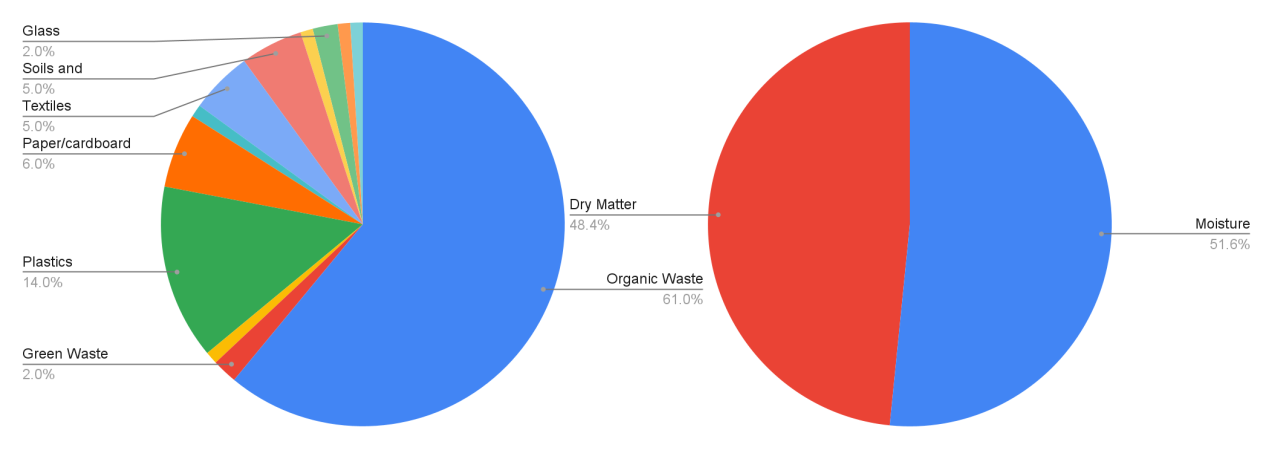
In summary, the graphic illustrates these primary points:
- High organic (food waste) content of 60-70%. The remaining fraction includes combustibles like plastics and paper, and recyclables like glass and metal.
- Total humidity is high at 50% and more.
- Plastic in MSW augmented from 0.3% in 1960, to 6-8% in 2000, to 10% by 2015. Later studies show slightly higher plastic percentages of 10-14%. Paper/cardboard usually reach 6-12%, while textiles are estimated at 2-6%.
- Green Waste is high in Rabat (8%), but lower in most other cities around 1%.
Combined with the country’s dry climate of Morocco, this composition leads to significant methane generation in landfills, known as Landfill Gas (LFG), and leachate.
LFG is a type of biogas composed primarily of methane and carbon dioxide. Methane is considered a short-lived climate pollutant (SLCP), which significantly contributes to climate change.
generizon has extensive expertise in estimating LFG emissions using the IPCC First-Order Decay (FOD) model. Its calculations have consistently been validated against real-world observations from satellites such as GHGSat and Carbon Mapper.
Leachate is another major pollutant generated by waste. It is a highly toxic liquid formed when water percolates through waste and extracts organic and chemical contaminants, including heavy metals and other hazardous compounds. All Moroccan landfills produce significant quantities of leachate of around 200 m³ to 250m3 per tonne of waste, depending on conditions. This contaminated liquid is typically collected and stored in dedicated basins located adjacent to landfill sites before treatment.
Landfilling remains the primary method of waste disposal in Morocco.
calorific value of Moroccan MSW.
Municipal solid waste (MSW) in Morocco is characterized by a high moisture content and a large proportion of organic matter, resulting in a relatively low Lower Calorific Value (LCV), calculated between 6.5 and 8.3 MJ/kg, as a significant portion of heat is spent on boiling off the water.
This makes it only borderline suitable for waste-to-energy incineration, even when all plastic and paper is being incinerated. Stripping away plastic and paper, LCV drops to below 6 MJ/kg for the remaining organic fraction.
Anaerobic digestion offers the adequate and efficient solution for organic rich water heavy waste streams like the Moroccan MSW.
generizon offers two technological solutions:
- CSTR reactors adapted to Source Separated Organic Waste (SSOW) and
- plug-flow or high-solids systems suitable for the Organic Fraction of MSW (OFMSW) after mechanical separation.
solutions for organic waste – SSOW – OFMSW.
generizon focuses its expertise on organic waste, with a clear mission to transform waste into valuable energy resources. To achieve this, Generizon develops tailored strategies for different organic waste streams, optimizing valorisation pathways based on waste characteristics and contamination degree.
Source Separated Organic Waste (SSOW).
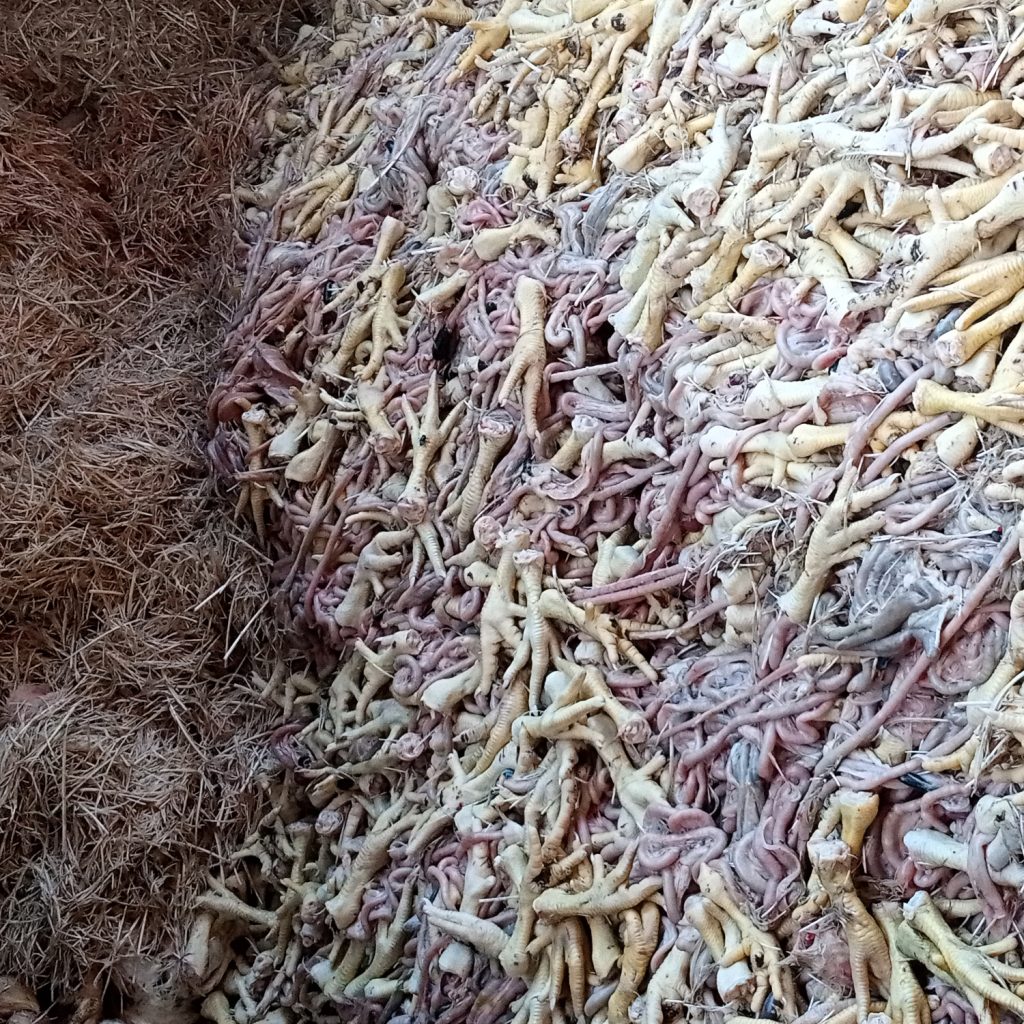
Source Separated Organic Waste (SSOW) includes organic residues from poultry slaughterhouses, communal abattoirs, fish markets and canning facilities, restaurants and hotels, markets and supermarkets (expired food stuff), fruit and vegetable packaging units, and the food processing industry (such as juice production, dairies, and oil mills), as well as other wet organic materials. These waste streams, particularly those originating from the animal sector, are often characterized by high moisture and nitrogen content. In CSTR (Continuous Stirred Tank Reactor) anaerobic digestion systems, such inputs can be diluted or co-digested to optimize nitrogen levels, ensuring stable biological processes and efficient biogas production.
AD of SSOW most likely in a CSTR has significant potential in Morocco thanks to the large volumes of organic waste generated, as well as the framework designed by the national OWtE program, co-developed by generizon. The program envisions 30 projects across all Moroccan regions, each designed to treat approximately 50 t/d of SSOW. These projects produce biogas, which can be used in industrial boilers or for electricity generation, and may be financially viable with the sale of electricity and the support of carbon credits mechanisms.
Additionally, the process generates digestate for agricultural applications. Crucially, because SSOW is uncontaminated and fully traceable to its origin, the resulting logistic chain ensures a high-quality output. Consequently, the digestate produced is a clean, premium fertilizer ready for immediate use in professional agriculture.
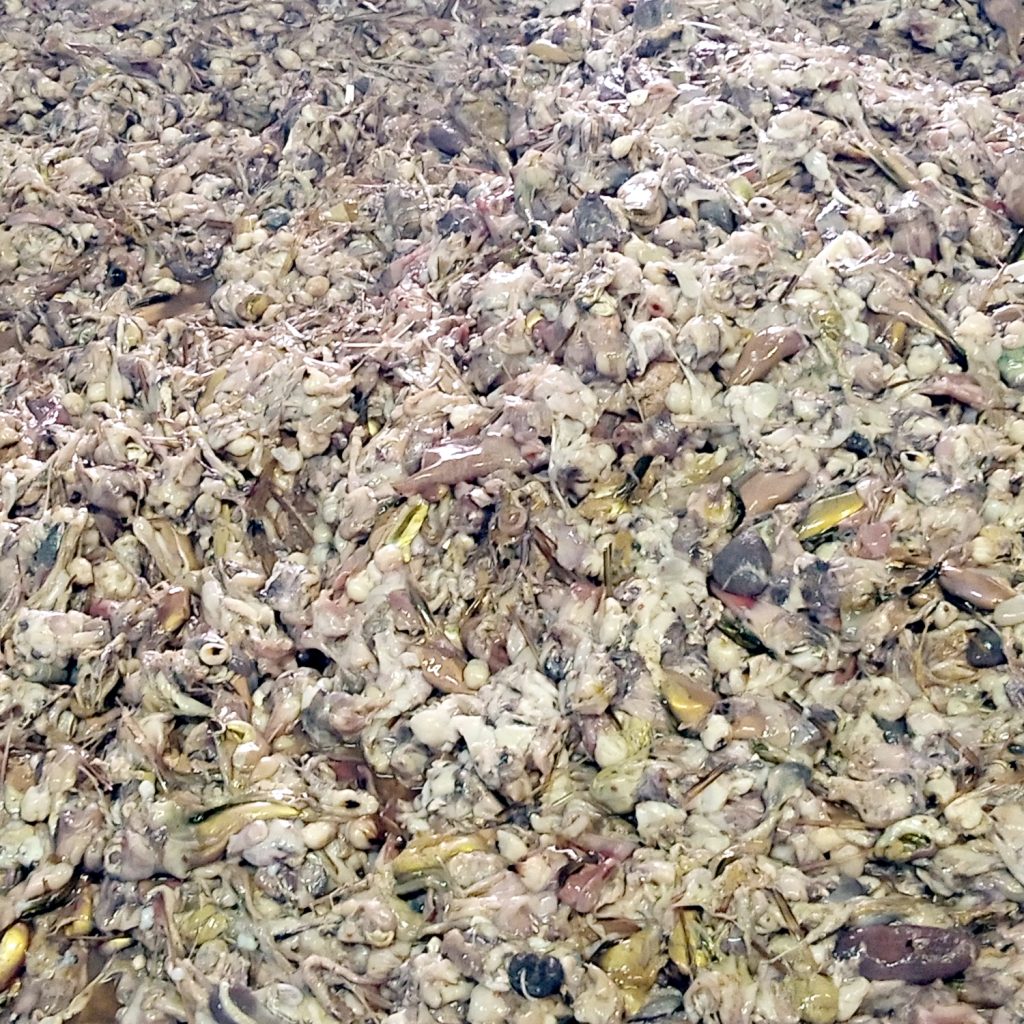
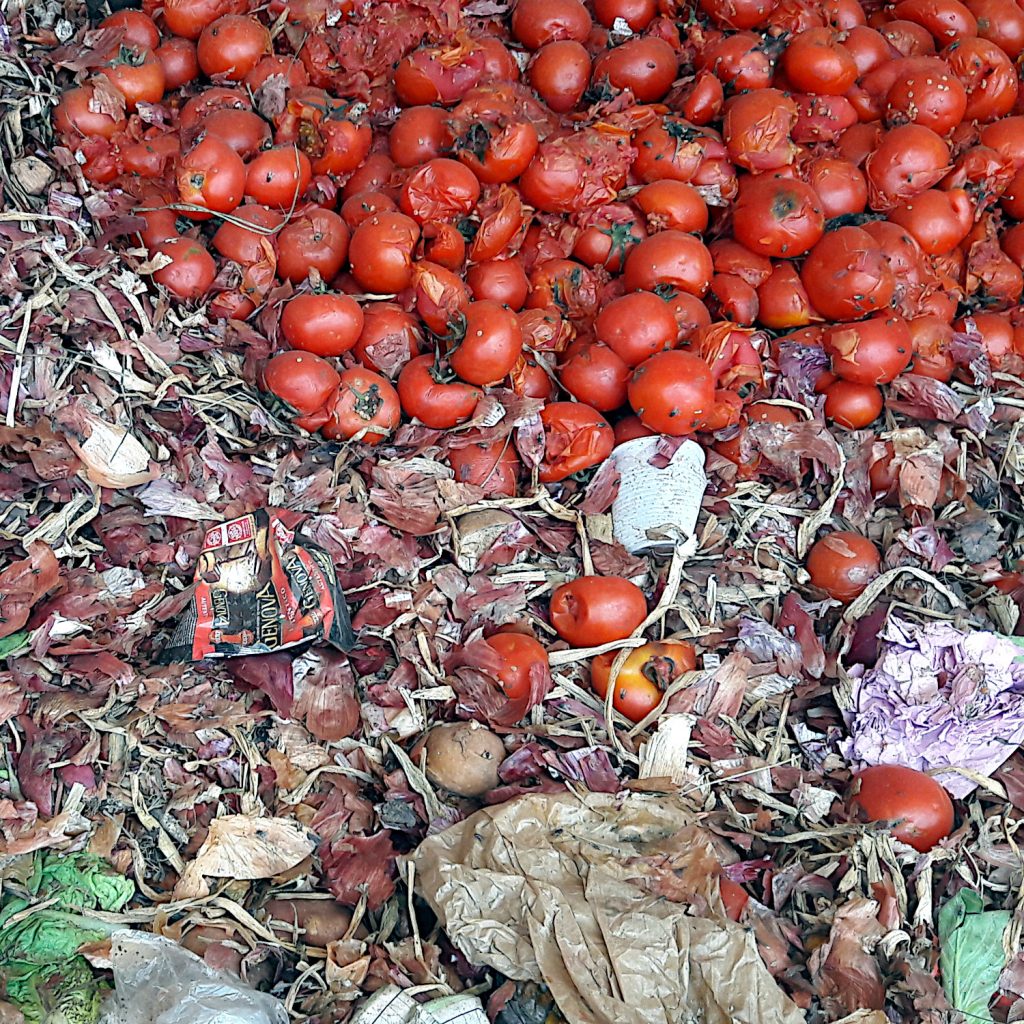
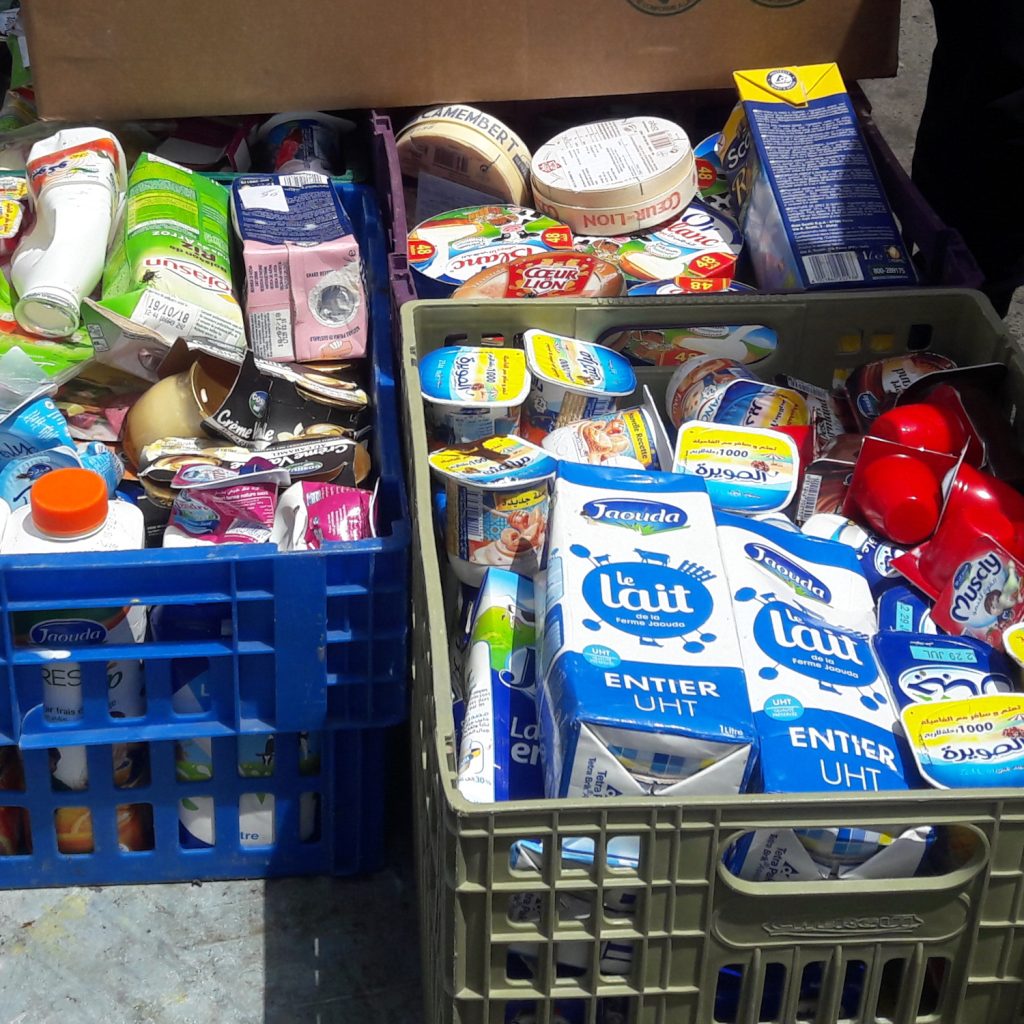
Generizon has participated in a project for digestate standardization, aimed at enabling digestate use from SSOW-AD and its safe application as an organic fertilizer in agriculture. The standard has now been published as a Moroccan Norm and is being implemented under the guidance and supervision of IMANOR and ONSSA, ensuring compliance with national quality and safety regulations.
Organic Fraction of Municipal Solid Waste (OFMSW).
The Mechanical-Biological Treatment (MBT) or Material Recovery Facility (MRF) process is at the center of a waste separation and sorting process that produces three fractions
- The organic fraction of municipal solid waste (OFMSW).
- The recyclables fraction, flats (newspapers, magazines, and laminated cardboard) and hollows (plastic containers, bottles, and beverage cartons).
- The combustible fraction, refuse derived fuel fraction (RDF), consists of plastics, papers, textiles and organics that are more difficult to be recycled.
Upon arrival at the unloading hall, Municipal Solid Waste (MSW) is discharged onto a concrete platform or into a reception pit. By means wheelloader and a conveyor belt the untreated waste is transported to a rotating screen (the trommel) which isolates usually in a first step the Organic Fraction of Municipal Solid Waste (OFMSW) from the recyclables and RDF, which pass through the trommel for further sorting.
The size of the sieve holes determine the degree of purity or contamination of the different streams. Smaller screen openings avoid contamination of the OFMSW fraction but leave more organics on the belt for subsequent sorting. Larger holes contaminate the OFMSW with valuable recyclables and RDF.
The Organic Fraction of Municipal Solid Waste (OFMSW) is diverted to biological treatment—such as composting or anaerobic digestion—AD to generate biogas and nutrient-rich digestate. These biological processes are standard in theory, they have not yet been implemented in Morocco. Currently, the organic fraction continues to be directed to landfills across all Moroccan disposal sites to generate leachate and LFG.
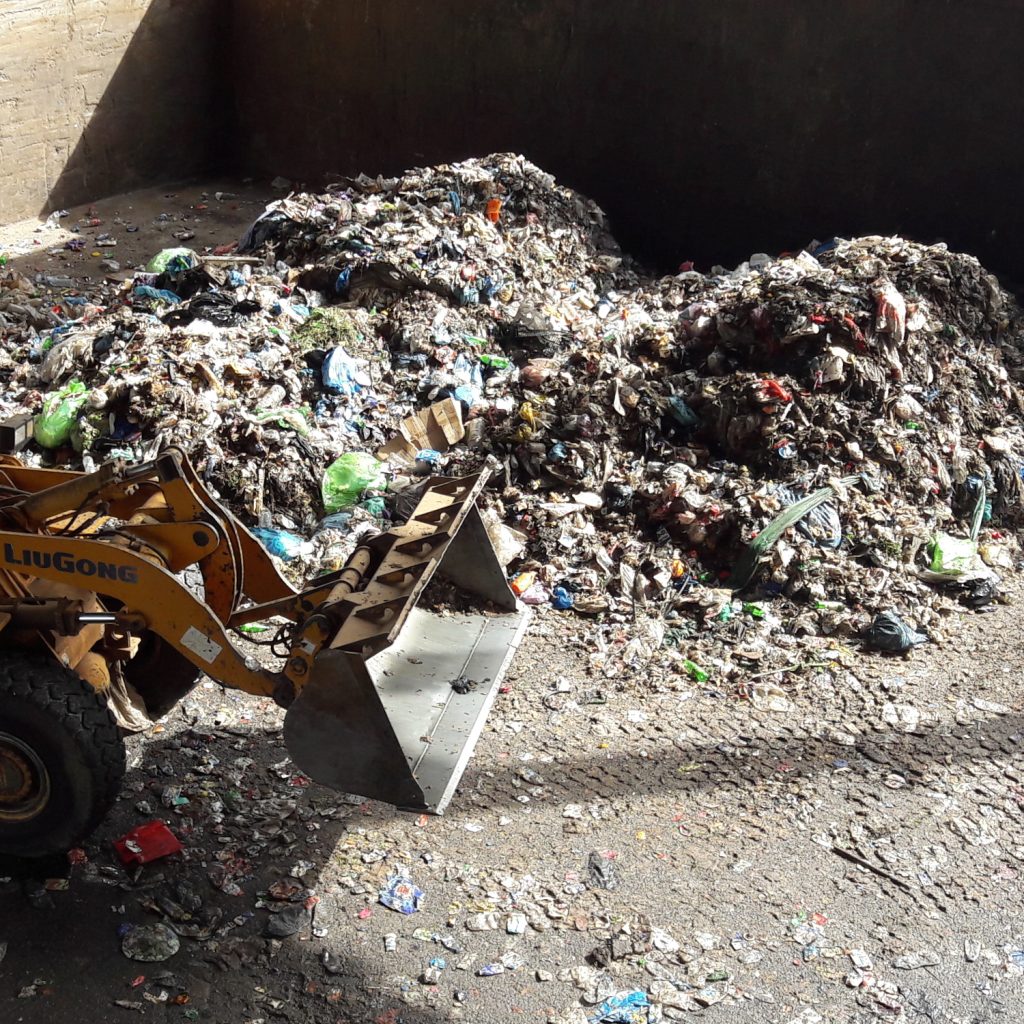
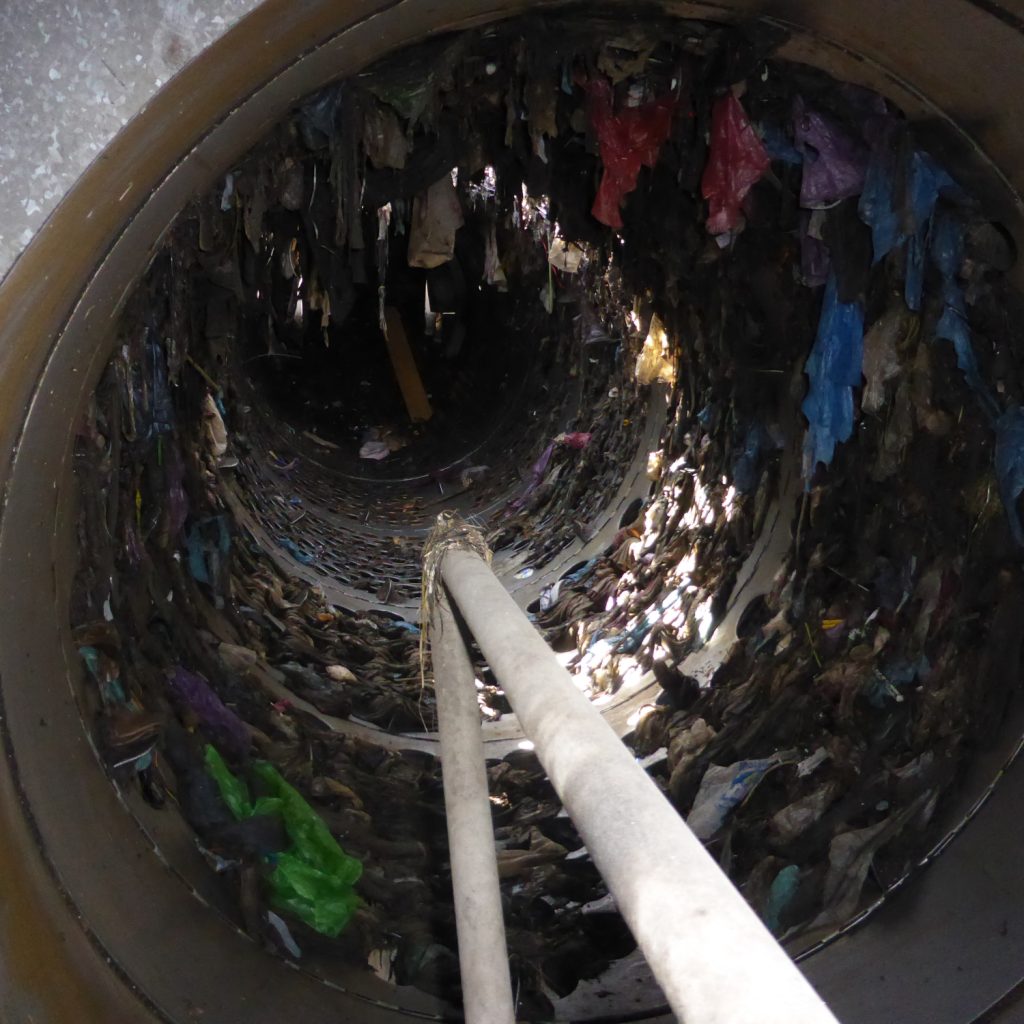
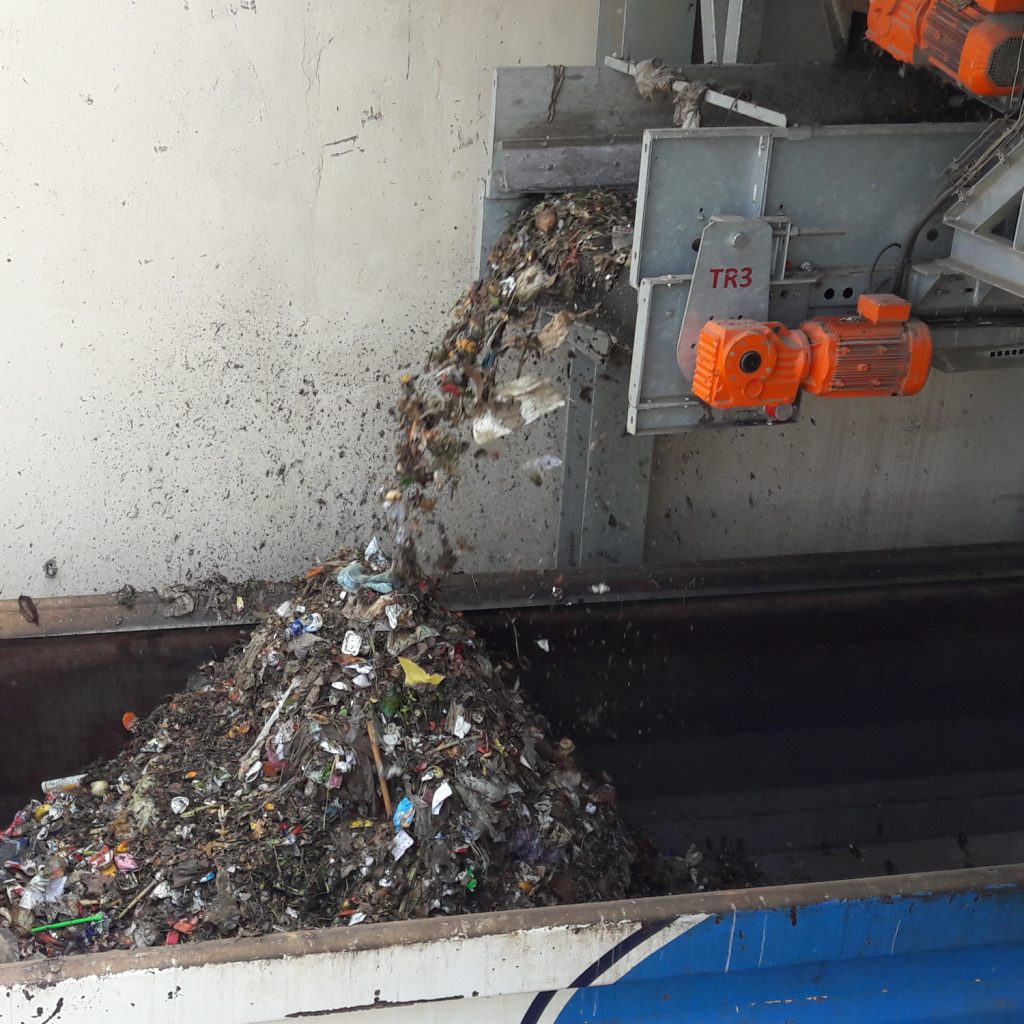
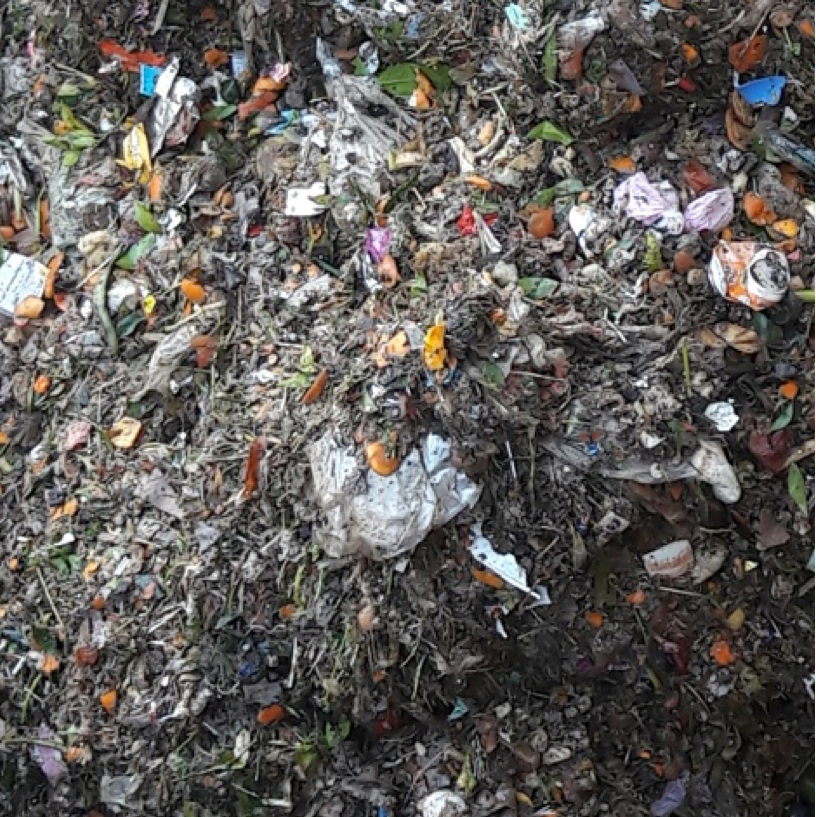
The materials that passed through the trommel undergo advanced mechanical sorting utilizing magnetic separators, optical sorters, and eddy current separators to recover high-value recyclables, including various plastics, metals, and paper. Manual sorting by laborers along a waste belt helps sorting different types of plastic and paper.
Finally, any non-recyclable residues with high calorific value—such as mixed textiles and residual plastics—are processed into Refuse-Derived Fuel (RDF) for energy recovery in industrial applications such as cement kilns.
Moroccan laws and strategies for waste context.
The main laws governing the waste management sector in Morocco.
- Law n°28-00 on waste management.
- Law n° 78-00 of the municipal charter.
- Organic Law n° 113-14 on municipalities.
- Law n° 54-05 on Delegated Management.
The main laws touching the renewable energy sector in Morocco.
- Law n° 13-09 related to Renewable Energy.
- Law n° 82-21 on Self/Auto-Production of Electricity.
- Law n° 83-21 on Regional Multiservice Company (SRM-Société Régionale Multiservices).
- Law n° 48-15 on the National Electricity Regulatory Authority (ANRE).
Morocco’s key strategies that touch on sustainable waste management.
- National Waste Program (PNDM-Programme National des Déchets Ménagers).
- National Strategy of Waste Reduction and Recovery (SNRVD-Stratégie National de Réduction et de Valorisation des Déchets).
- National Strategy for Sustainable Development (SNDD-Stratégie National de Développement Durable).
- Morocco’s Nationally Determined Contribution (NDC) 2035.
- Morocco Long Term Low-Carbon Strategy (SNBC-Strategie National Bas Carbone) 2050.
- Morocco’s Global Methane Pledge (GMP).