

Morocco still relies heavily on landfills as the main destination for waste, with a mix of modern controlled landfills and many older non-technical and uncontrolled dumpsites. While waste collection rates have massively improved over the last 20 years, most waste is still landfilled with limited sorting or recovery, leading to environmental issues such as methane emissions, unmanageable leachate problems, soil contamination, groundwater pollution and odors. Through national programs, Morocco has invested in modernizing landfill infrastructure, closing and rehabilitating illegal dump sites, and promoting waste recovery, but challenges remain, particularly in reducing landfill dependence and transitioning toward valorization and circular economy solutions.
untapped energy potential from landfill gas.
According to the calculations performed by generizon urban landfills in Morocco generate an estimated 500 to 700 million Nm³ of biogas (with half it, ≈300 Nm3/y being accounted as methane) every year.
Yet as of 2025 less than 5% is captured and flared, while the vast majority escapes into the atmosphere. In total methane emissions from waste amount to 5.9 million tonnes of CO₂ equivalent annually, with some estimates suggesting even higher levels—an issue that is increasingly visible through GHGSat satellite observations of said methane emissions.
Currently, only about 1% of landfill gas is utilized for energy production, while the remaining 99% is lost, accounting for an electrical power equivalent to 140 MWel.
Applying an optimistic capture rate of 50% this unused resource corresponds to 70 MW of potential electrical capacity, capable of generating around 560 GWh of continuous electricity per year, enough to supply approximately 150,000 Moroccan households.
The bad news is that even if we capture all this (50%) that half of the methane would continue going to the atmosphere but also that half the potential energy would be forever lost.By replacing electricity from the Moroccan grid and applying an average 650 g CO2/produced kWhel (electricity emission factor), this electricity production (from the 50% of captured methane) avoids an additional approximate 861,000 tonnes of CO₂e emissions per year. The applied emission factor is relatively high and due to Morocco’s continued reliance on imported coal for power generation.
the structure of a LFG extraction system.
A landfill gas (LFG) extraction system or Gas Capture and Control System (GCCS) is designed based on the expected volume of gas generated within a landfill. To effectively capture, treat, destroy, or utilize the biogas produced, a complete LFG extraction plant is required. The primary components of a typical GCCS include the following:
- LFG extraction wells.
- Header piping and valves (including manifolds and condensate traps).
- Leachate Pumps.
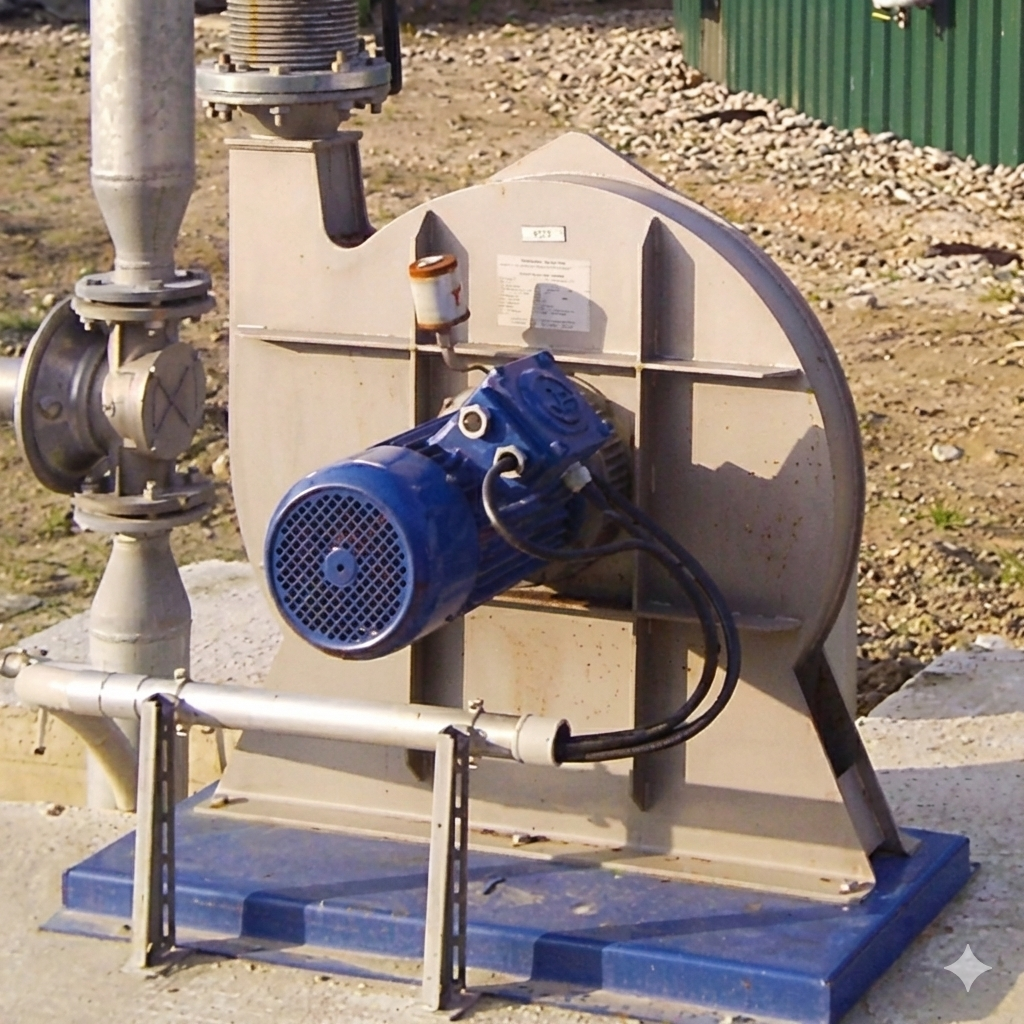
- LFG blowers.
- Monitoring and control systems.
- LFG metering (gas quantity and quality).
- LFG flaring system.
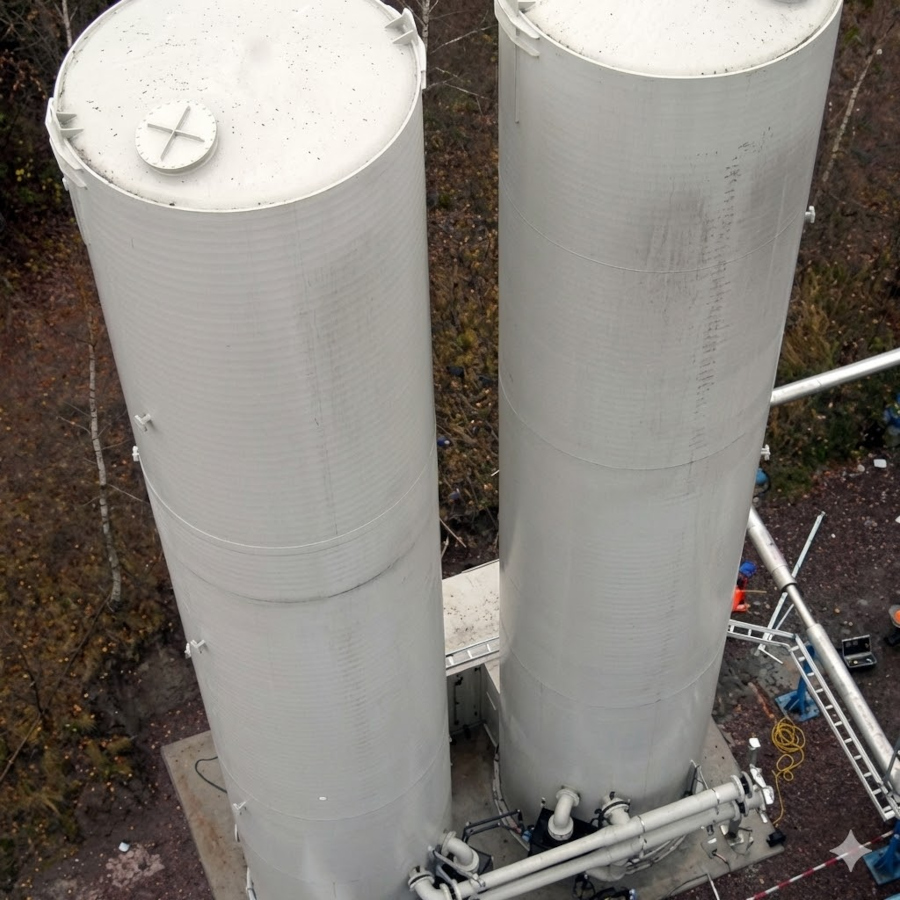
- LFG treatment system (for condensate and H₂S removal).
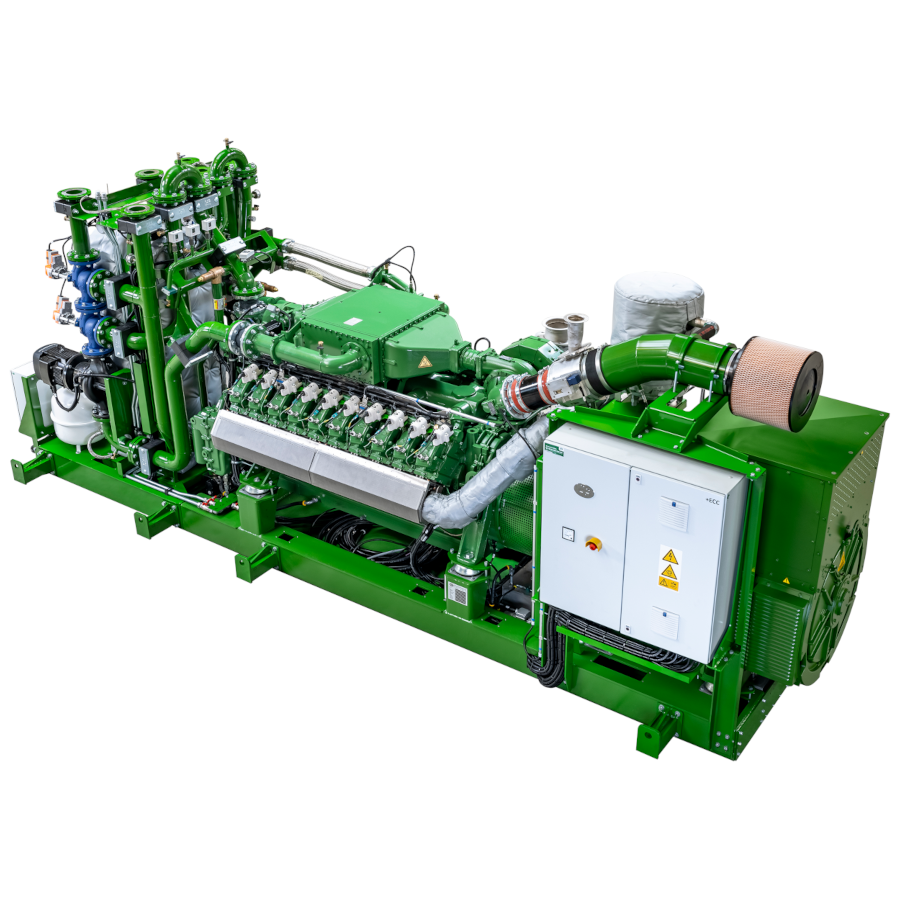
- LFG combustion or utilization devices (e.g., CHP units).
generizon collaborates with several partners specialized in the supply and implementation of LFG capture and control systems. In parallel, generizon brings strong technical expertise in LFG emission estimation using the IPCC waste model, complemented by GHGSat satellite-based observation data to enhance the robustness and accuracy of the calculations.
Within this framework, generizon provides the technical services related to LFG quantification, modeling, feasibility assessment, and equipment.
generizon equipment and services.
Services include:
- Advanced application of the IPCC FOD model to estimate landfill gas (LFG) methane and biogenic carbon potential.
- Energy potential calculations, including electricity, heat, and propane-equivalent energy.
- Technical and financial prefeasibility studies.
- Dimensioning of the Gas Capture and Control System.
- Development of business models for landfill gas extraction systems.
- Use of satellite-based methane observation data (GHGSat) to validate and strengthen the credibility of emission estimates.
On the technical implementation side, generizon provides equipment supply, technical advice, sales, and maintenance services for key landfill gas infrastructure, including:
- Gas booster and blower stations (supply, installation, and servicing).
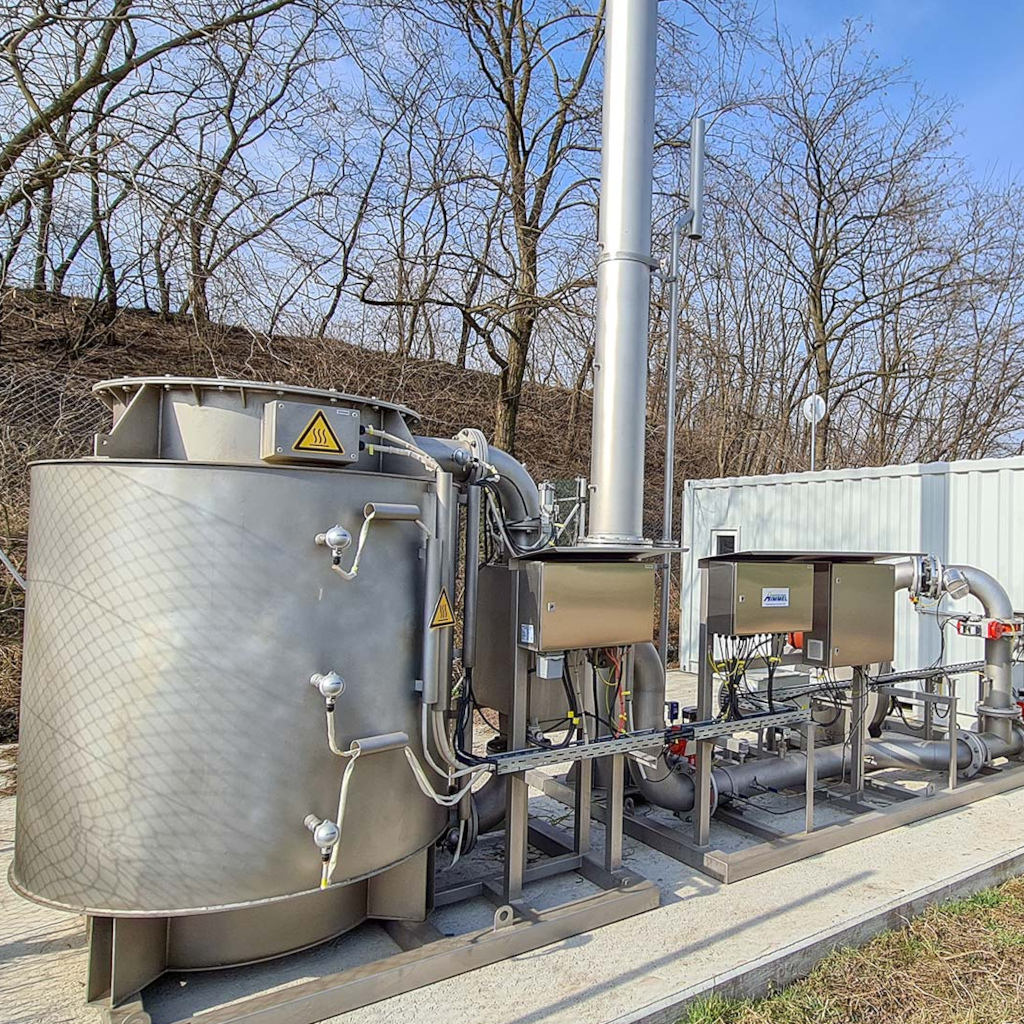
- Technical guidance on flare dimensioning, positioning and operation, including safety components such as flame arresters.
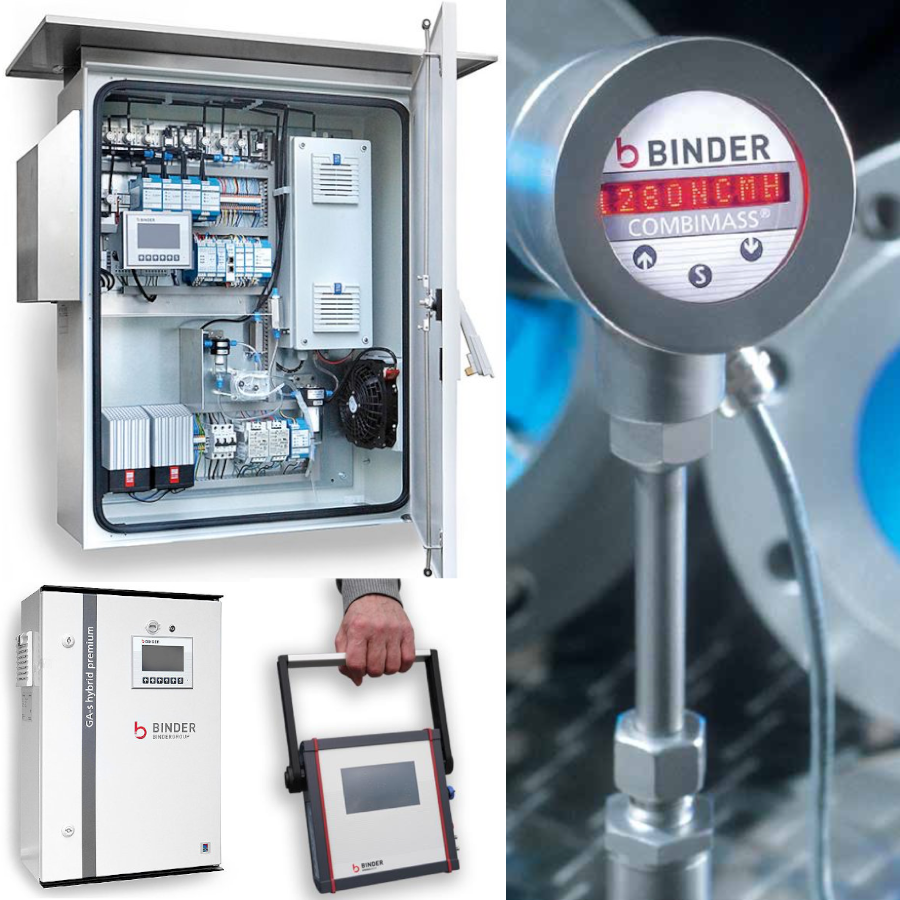
- Biogas analysis and flow measurement systems, essential for operational monitoring and carbon credit certification.
- Gas cleaning and conditioning systems, including biological desulfurization, activated carbon filtration, and biogas drying.
- Advanced treatment solutions for other landfill gas contaminants such as siloxanes and VOCs, which require specific technical considerations.
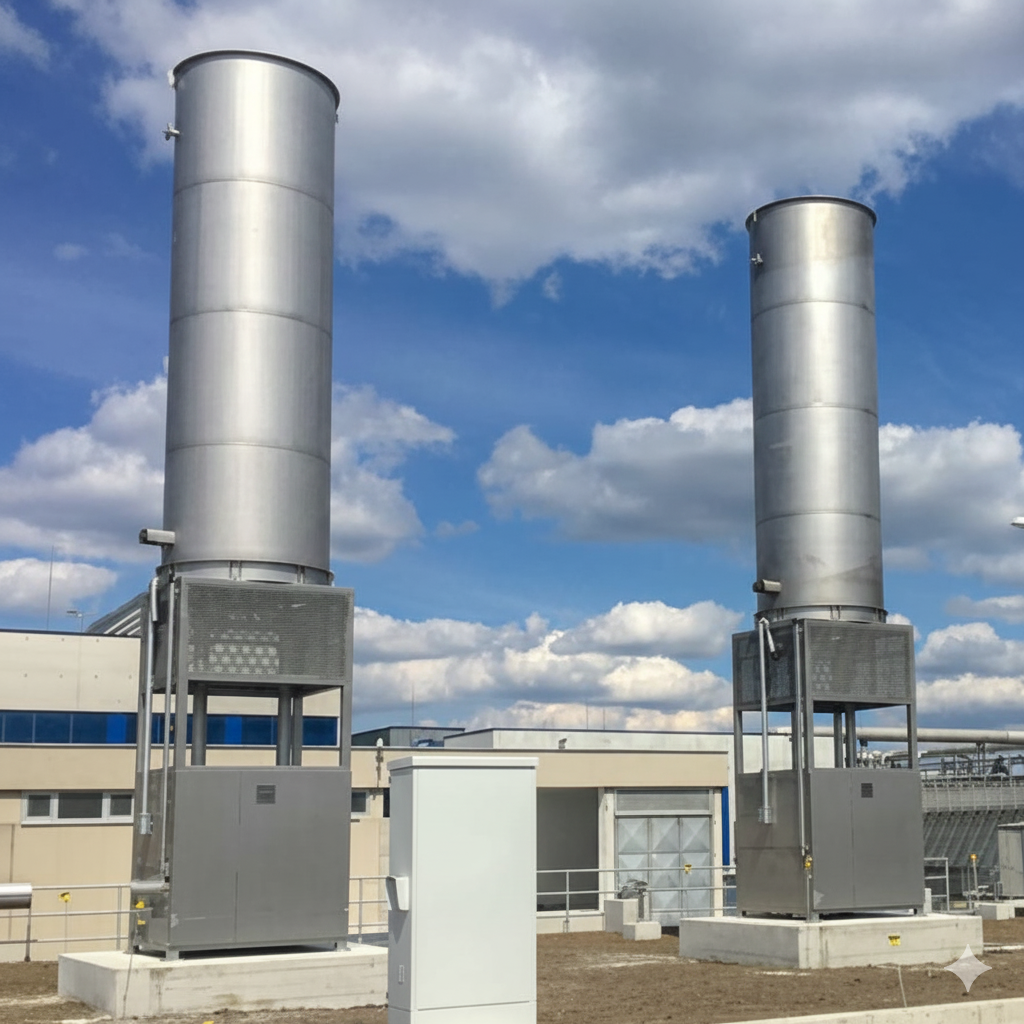
- Weak gas treatment technologies, including Regenerative Thermal Oxidation (RTO) for low calorific value gas streams.
- Biogas utilization systems, including combined heat and power (CHP) units for renewable electricity generation.
- Gas holder systems for safe biogas storage, pressure stabilization, and optimized energy utilization.
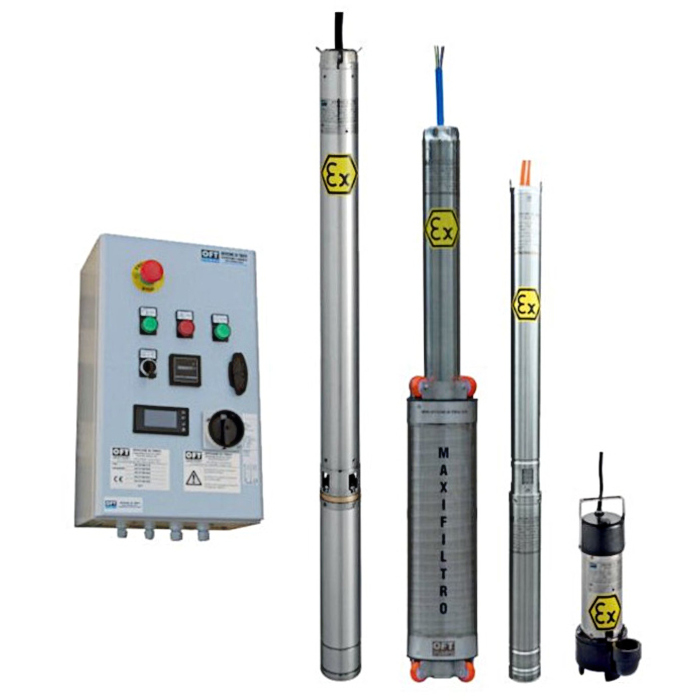
- Leachate evacuation systems, including landfill gas well leachate pumps, essential for maintaining efficient methane capture and ensuring optimal gas recovery performance.
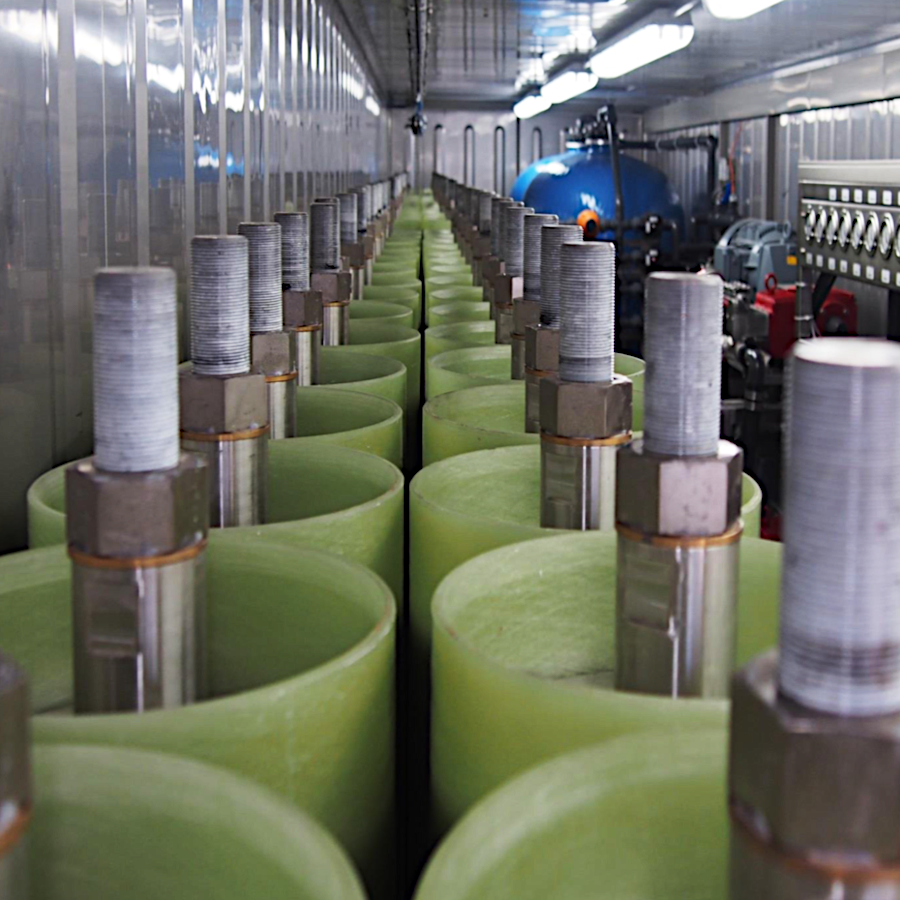
- Reverse osmosis (RO) leachate treatment systems for advanced purification and management of highly polluted landfill leachate.